
Choosing an area
A Tiny Treehouse in Kaʻū: What Buying Off-Grid Really Involves
 By Carol Porter, Realtor® · September 14, 2026
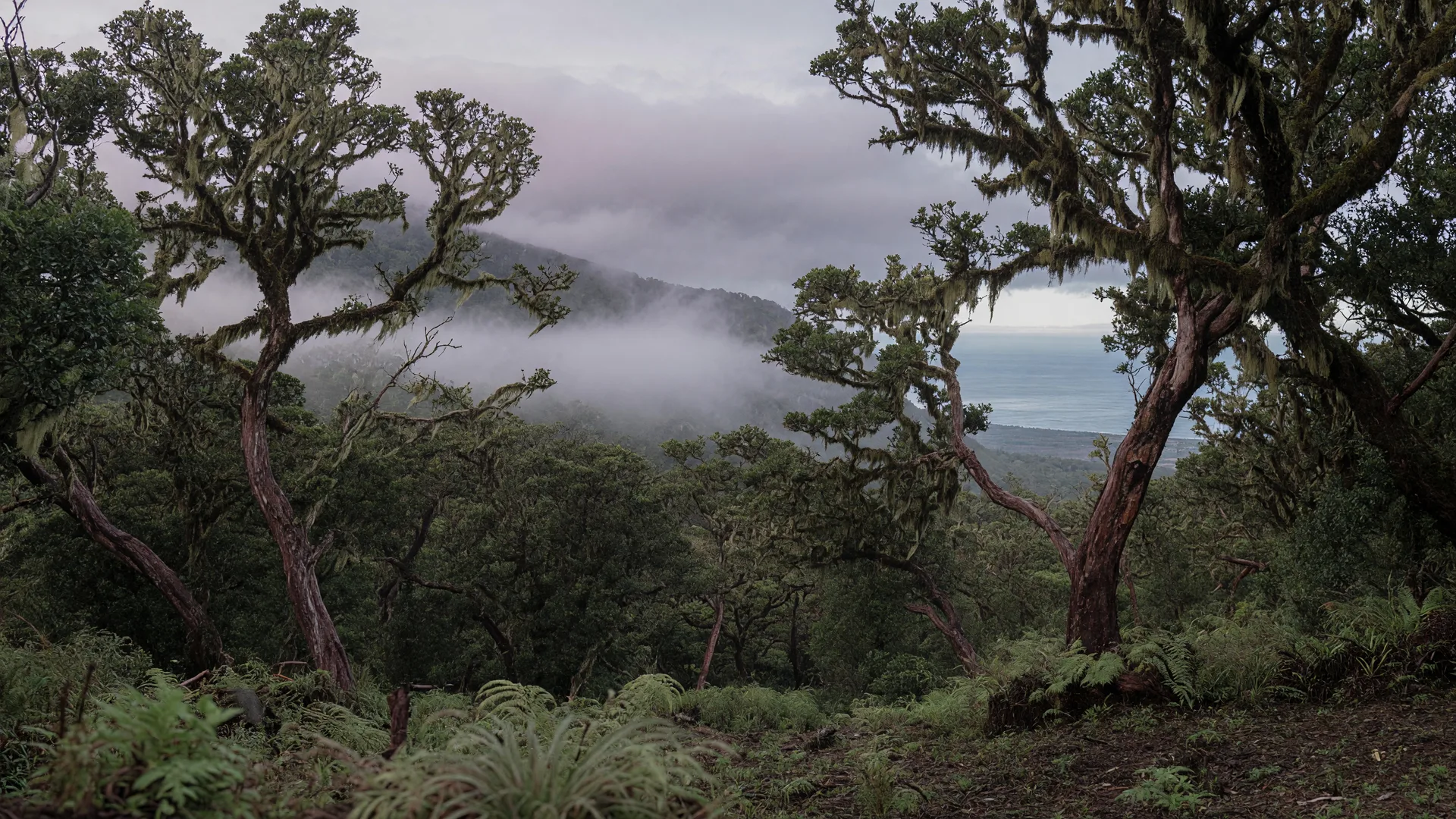
Kaʻū is the part of Hawaiʻi Island most buyers never picture: the wide rural district on the volcano’s southern slopes, far from the resort coast, where land is measured in acres and the pace is set by the weather. It is also, together with Puna, where the island’s most affordable housing sits, and the reasons for that price are exactly what a buyer needs to understand first. This post introduces what makes Kaʻū distinct, then tells the story of a recent sale there, a small house on two acres of ʻōhiʻa forest, built entirely without permits but exceptionally well, because that house shows what careful, documented buying in this district really looks like.
Why the land is affordable here
Kaʻū and Puna routinely offer the lowest-priced housing on the island. The reason is not a secret and it is not a defect: much of Kaʻū lies within the USGS lava flow hazard zones, largely Zones 1, 2 and 3 on the southwest flank of Mauna Loa, so the ground itself carries a volcanic history. When the land is cheap because of hazard, buyers respond sensibly, and the market follows. In these communities many people build without permits and live happily, off-grid, and most transactions close in cash, because insurance and financing are far less certain than they are on the resort coast. None of this is wrong. It is simply the context a buyer should walk in with.
What follows from that is a fine distinction. A house can be fully unpermitted and honestly wonderful, and a house can be fully permitted and still a bad purchase. The permit question only tells you what the county has on record. It matters because it changes what you can insure, what you can finance, and what your plans for the property are allowed to be.
A pastoral, volcanic slice of the island
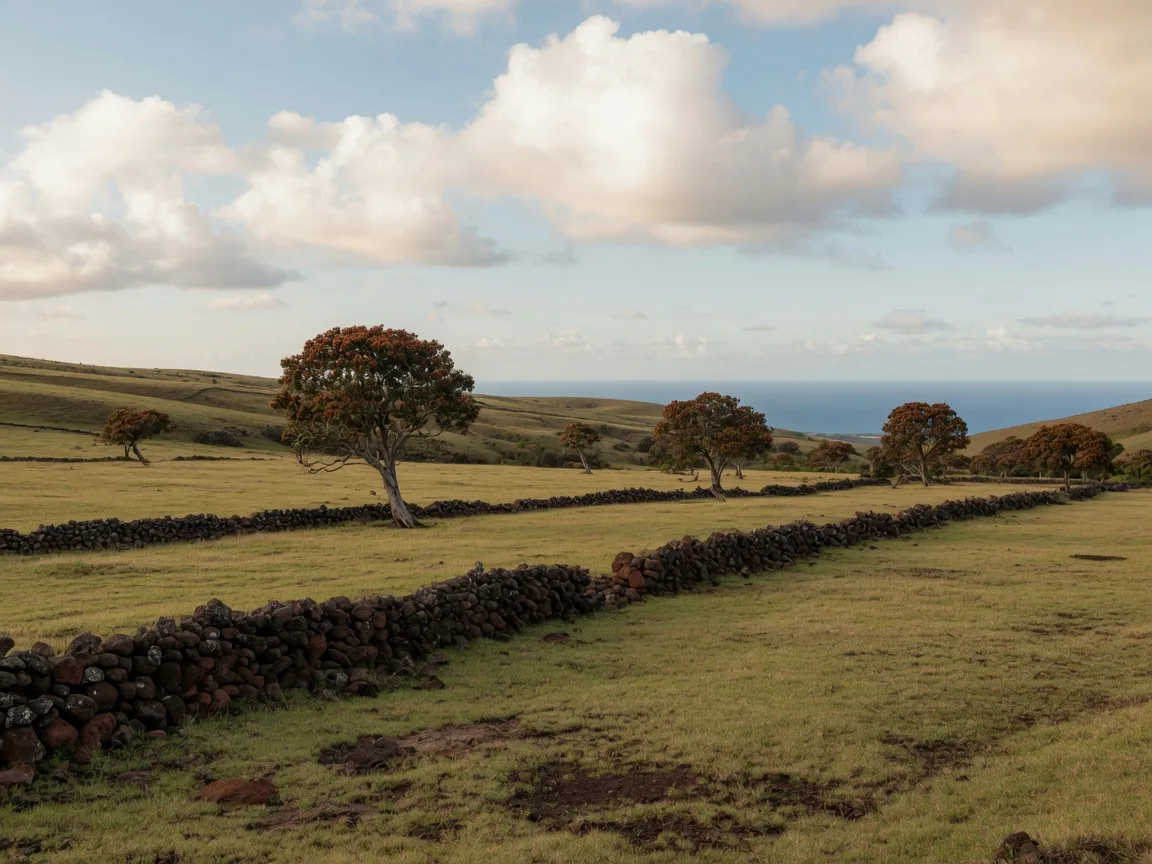
Anyone used to the resorts should recalibrate for Kaʻū. The district runs from the grassy slopes above the coast down to South Point, the southernmost tip of the United States, with old lava fields, fern and ʻōhiʻa forest, and small towns spaced far apart. It is beautiful in the way open country is: quiet, changeable, and honest about the weather. The drive to the resort coast is a real drive, and you plan errands around it. What you get in return is land, space, and a community where people look after themselves and each other.
The district's communities are small and set far apart. Pāhala sits at the eastern end, a former plantation town; Waiʻōhinu and Nāʻālehu lie further down the highway toward South Point; and Ocean View, its primary community HOVE, the Hawaiian Ocean View Estates, sits near the western edge, where the road begins to climb back toward the Kona coast. Nāʻālehu is a lovely, core community of Kaʻū, and it recently suffered devastating damage from Hurricane Lala. When HOVE was developed it was the largest subdivision in the United States, and according to the disclosure and HOA documents its road network comprises 157 miles. That figure says a lot about buying here: Ocean View is less a single town than a wide grid of roads and lots, with services, utilities, and neighbors spread thin across it.
A tiny treehouse in Ocean View
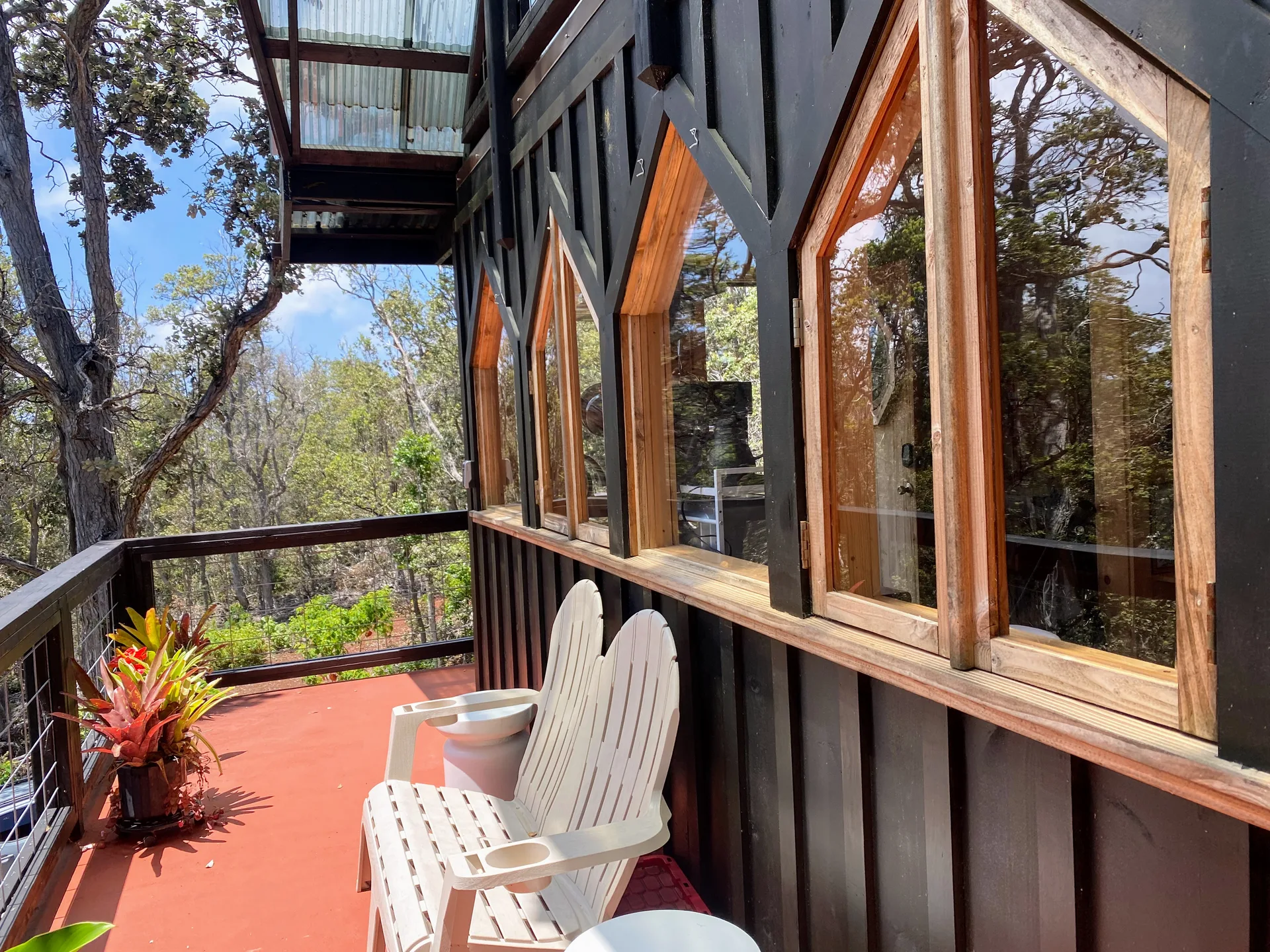
This recently sold property in Ocean View is a good example of what I mean. It is a true tiny home: 575 square feet, one bedroom, one bathroom, built in 2024, sitting on two acres of old-growth ʻōhiʻa forest at roughly three thousand feet. From the lānai you look out over the forest and, on clear days, the ocean. It is fully off-grid and fully intentional: 15 kilowatts of solar with a backup generator, catchment water with UV filtration, and Starlink for connection. It is the kind of place that sounds like a dream of Hawaiʻi, and the structure itself is exceptionally well built and carefully finished, a standout even in a district where many homes grow up informally.
The house has drawn attention beyond the island. The Week magazine featured it in its roundup “6 gorgeous homes in warm climes,” in the Ocean View, Hawaiʻi section, describing it as a 2024 one-bedroom off-the-grid tree house in an old-growth ʻōhiʻa forest with Gothic-influenced windows, wood-paneled ceilings and walls, a bedroom with a ladder to a star lounge with a translucent roof, and a lower level with a hanging bed.
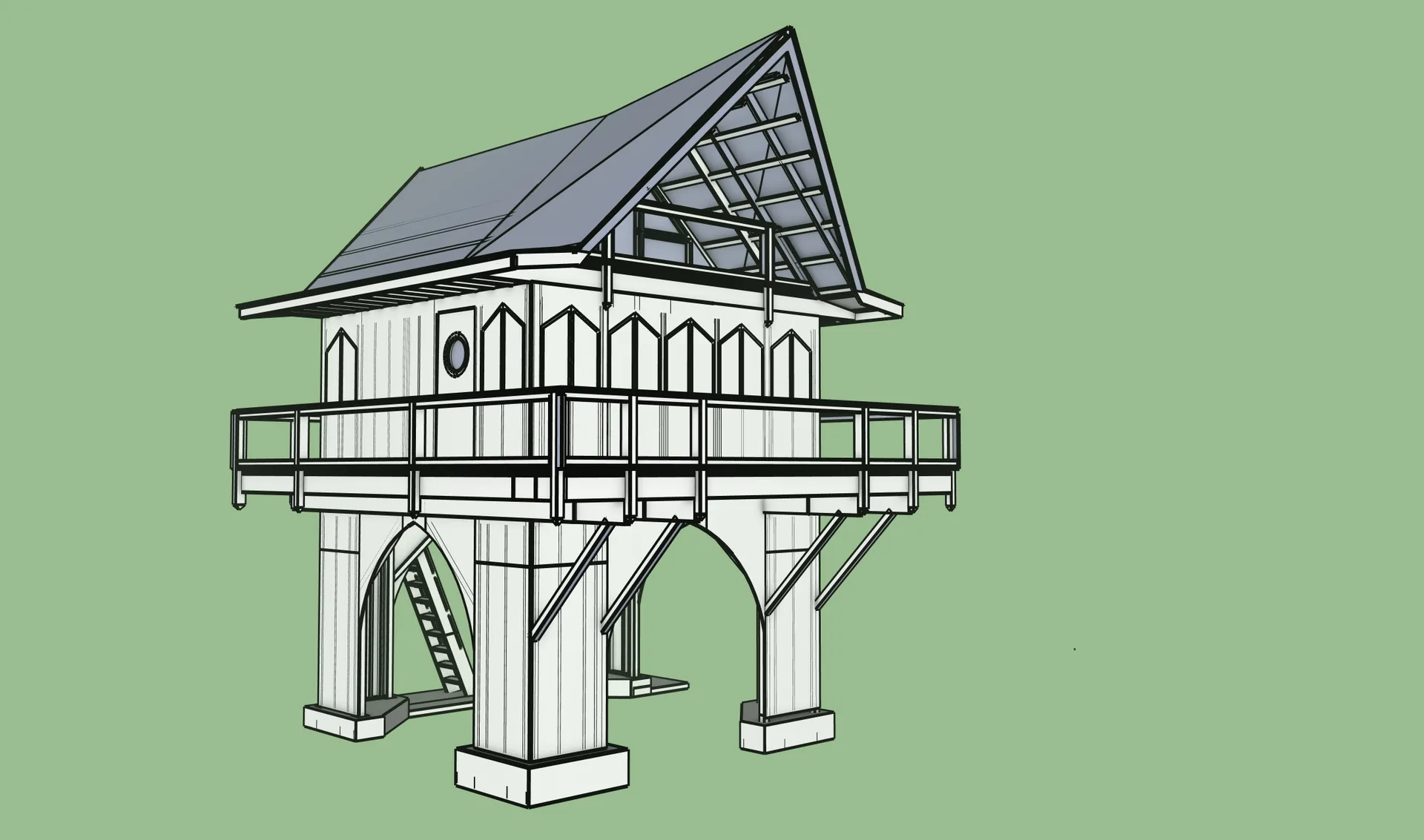
But it was built entirely without permits. That is common in Kaʻū and Puna, where land is cheap precisely because of the lava hazard, and many people build off-grid without permits and transact mostly in cash. So the house is unpermitted, and honest about it. What made this one worth taking seriously was the record. Because there was no county paper trail to reassure the buyer, as part of the sale contract I required the seller to provide detailed documentation of every step of construction: dated photographs, videos, and receipts. My goal, through the sale and after, is to help the buyer obtain the permits and make everything legal, because I believe everything that was built meets or exceeds code. The house is unpermitted but exceptionally well constructed, and the documentation is what lets a buyer approach the county with confidence and get it permitted and legal.
What the sale shows you
- In Kaʻū and Puna, price is the honest signal of hazard and rural condition, and it is usually paid in cash.
- An unpermitted home is the norm here, so the test is construction quality plus a documented, buildable path to getting it permitted and legal.
- The systems matter as much as the siding: solar, generator, catchment and filtration, and how each one is maintained.
- Location is a commitment: distance to services, roads, weather, and the character of the community shape daily life more than the floor plan does.
If you are considering a home in Kaʻū or any rural district of the island, I would start the conversation the same way: with the land’s history and the house’s papers, not with the listing photos. I will walk a specific parcel with you, tell you what is on record, what the day-to-day is really like, and help you weigh the tradeoffs honestly. Reach me at +1 808 769-0727 or send a note through the contact form on this site.
With aloha,
Carol Porter
REALTOR® · RS-87584 · HI · Better Homes and Gardens Real Estate Island Lifestyle
Next step
Questions about your own search?
Every situation is different, and the details change the answer. Tell me what you’re considering and I’ll give you an honest read.