
Buying
Ten climates, one island: reading Hawaiʻi’s weather before you buy
 By Carol Porter, Realtor® · July 21, 2026
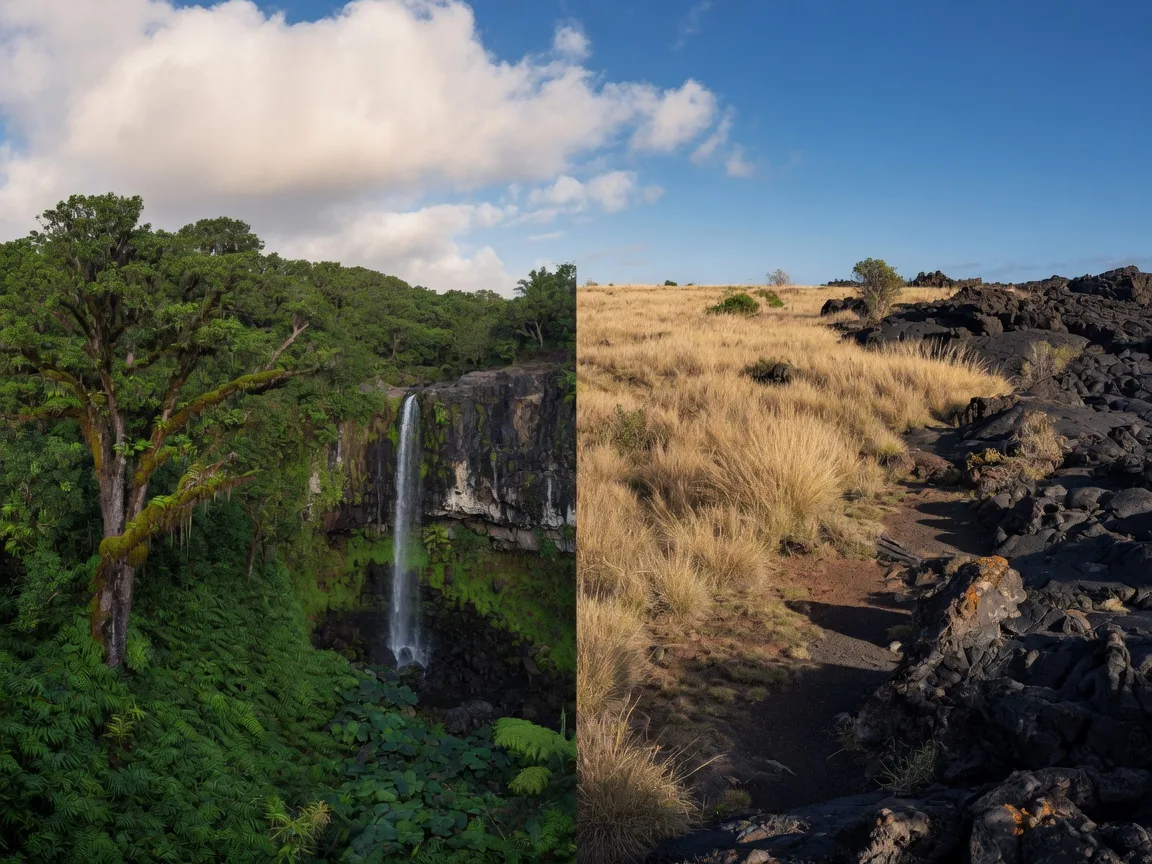
Hawaiʻi Island is home to 10 of the world’s 14 climate zones, as classified under the Köppen climate classification system. That is not a tourism slogan; it is the single most useful fact a buyer can understand before starting a search here. The weather on the listing photo is rarely the weather in the driveway.
What “10 of the world’s 14” actually means
Climate scientists divide the world into major zones, and the Big Island packs almost all of them into one landmass: tropical rainforest on the wet windward side, hot and dry savanna on the leeward coast, cool mountain air above Waimea, and even snow on Mauna Kea in winter. Drive an hour on the Belt Road and you can pass through several of them in a single afternoon.
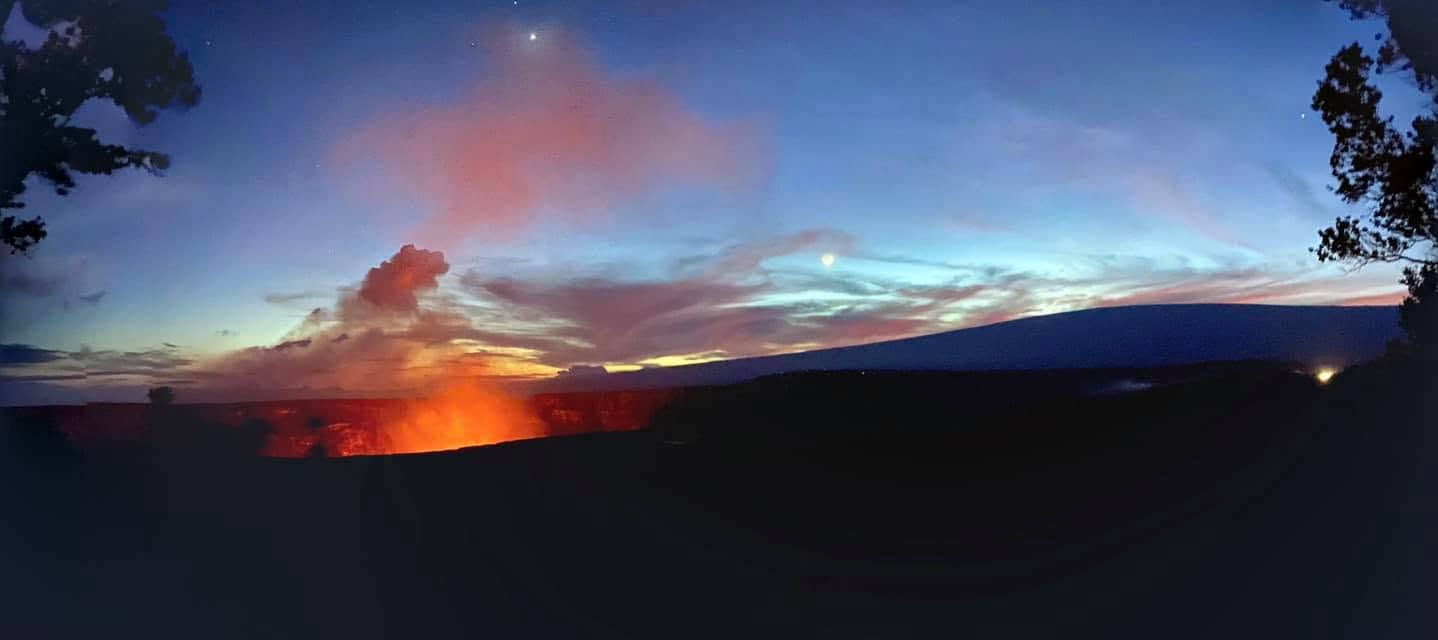
For real estate, the practical translation is simple: the island average tells you nothing about any specific property. Two homes twenty minutes apart can have entirely different weather, vegetation, upkeep needs, and comfort.
The wet side
The windward east side, including Hilo and Puna, receives well over a hundred inches of rain in a typical year. The result is lush, green, and genuinely beautiful, and also humid. Buyers there should expect to plan around moisture: mold and mildew management, ventilation, drainage, landscaping that thrives on rain, and higher maintenance attention to anything that can hold water.
The dry side
The leeward west side, from the Kohala Coast down through Kona, is sunnier and drier with strong solar potential. Life is bright, and outdoor spaces are usable nearly every day. The trade-off is that constant sun and salt air age exterior finishes faster, so painting, rooflines, and coastal materials deserve real attention when you evaluate a property or its HOA’s maintenance plan.
The high country
Upcountry towns like Waimea sit at elevation and run cooler and greener than the coast. That is a feature for many people, and it comes with its own realities: foggy mornings, ranch-country wind, and properties that are often larger and more rural.
What to investigate before you buy
- Research the specific neighborhood’s microclimate, not the island’s, and ideally visit during more than one season of weather.
- Ask about water: source, catchment, county service, and what dry-season habits the seller relied on.
- Read the HOA or community documents for upkeep expectations, and budget for them honestly.
- Factor in insurance, maintenance, and utilities for the specific elevation and exposure, not the state’s average.
- Have someone with local experience walk the property and explain what the seller has learned the hard way.
None of this should discourage you. Hawaiʻi Island is remarkable precisely because it offers so many ways to live. It is here to remind you that the right district, not just the right house, is what makes a home work. That is what I help clients figure out.
With aloha,
Carol Porter
REALTOR® · RS-87584 · HI · Better Homes and Gardens Real Estate Island Lifestyle
Next step
Questions about your own search?
Every situation is different, and the details change the answer. Tell me what you’re considering and I’ll give you an honest read.