Technology, Innovation, Stewardship and the Future of Hawaiʻi Island
Earl Bakken’s Healing Island:
Rethinking Medicine, Healing and Community
The Medtronic co-founder spent his career advancing medical technology. On Hawaiʻi Island, he pursued a much broader vision of healing—one that encompassed mind and body, complementary medicine, Hawaiian culture, education, and the health of an entire community.
 By Carol Porter, Realtor® · November 2, 2026
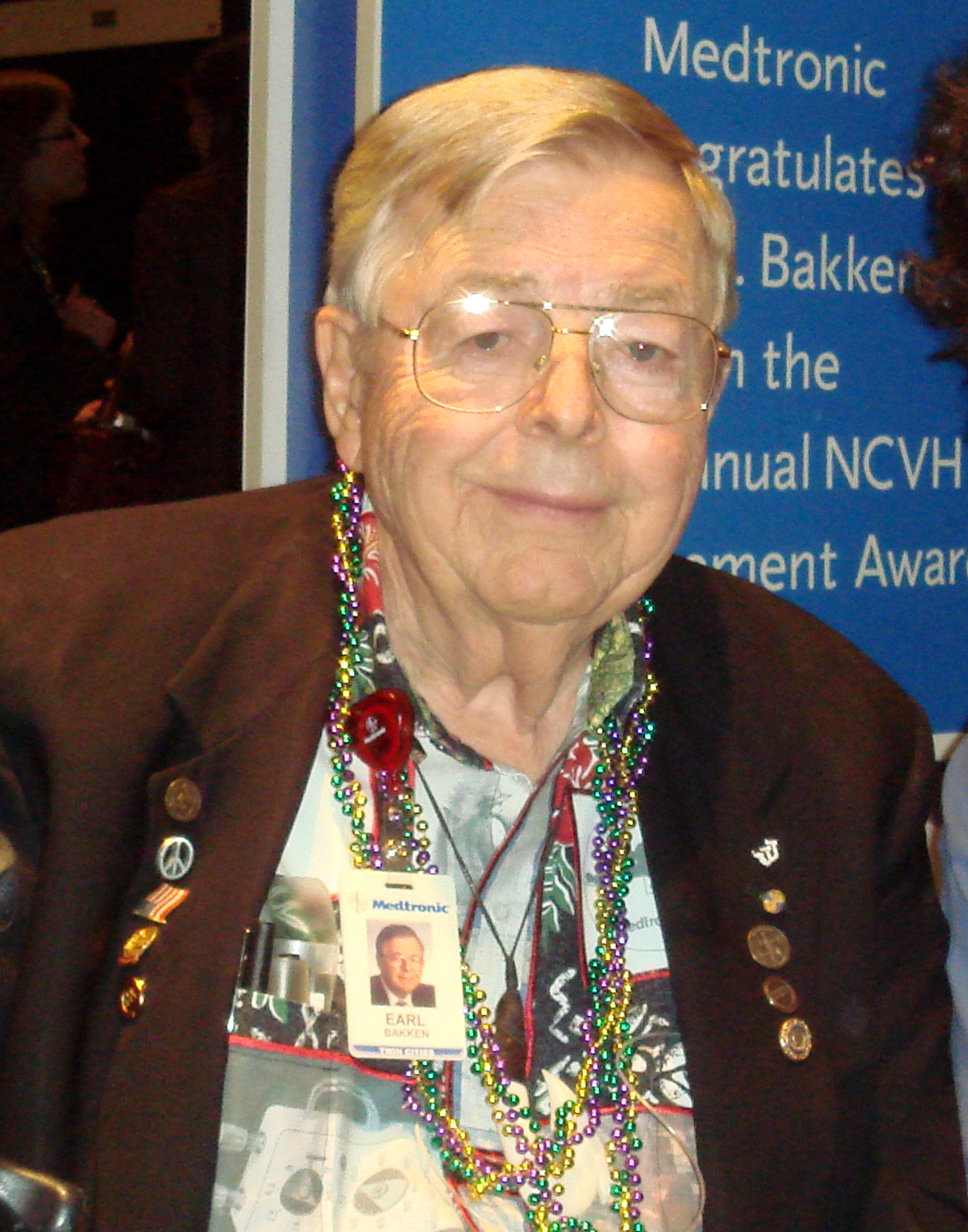
Earl Bakken is remembered as the engineer and entrepreneur who helped transform modern medicine. As co-founder of Medtronic, he developed the first wearable, battery-powered pacemaker, helping make medical technology more reliable and accessible. But his interests extended well beyond the devices that made him famous.
By the time he settled on Hawaiʻi Island, Bakken had developed an unusually expansive philosophy of healthcare. He believed that conventional medicine, despite its extraordinary technological achievements, addressed only part of what was involved in healing. He wanted to bring together advanced medical science, complementary therapies, personal relationships, cultural traditions, and the physical environment in a more comprehensive approach.
He called this concept blended medicine. His larger ambition became known as the Healing Island: a vision in which the health of individuals could not be separated from the health of their families, communities, culture, and natural surroundings.
It was an ambitious undertaking, and some of his beliefs extended well beyond the boundaries of established medical science. Understanding those beliefs provides a fascinating perspective on a man whose career had been built on engineering and technological innovation.
A philosophy that began long before Hawaiʻi
It would be easy to assume that Bakken’s interest in holistic medicine developed after he retired to Hawaiʻi. The historical record tells a different story.
His interest in the relationship between the heart and brain dated back to work in the 1960s involving cardiac stimulation and neurological responses. He later organized a symposium on cerebral manifestations of cardiac dysrhythmias in 1978, seeking to encourage greater collaboration between disciplines that traditionally studied different parts of the body.
He was concerned that medicine had become fragmented into specialties, sometimes overlooking the interactions among physiological systems.
By the 1980s, his interests had expanded to include prevention, behavioral change, physiological self-regulation, and the economics of holistic healthcare. He was involved with Archaeus, a publication exploring subjects including self-regulation and the relationship between mind and body.
These interests predated his involvement in North Hawaiʻi’s healthcare system. Hawaiʻi offered him an opportunity to pursue ideas he had been considering for decades.
Blended medicine: High tech and high touch
Bakken did not reject conventional medicine or the technology he had spent his life developing. He continued to use and appreciate medical devices, including his own pacemaker and other advanced treatments.
What he questioned was the assumption that sophisticated technology alone constituted good healthcare.
He described his approach as combining three elements:
- High technology: Advanced medical equipment, diagnostics, devices, and conventional medical treatment.
- High touch: Personal attention, compassion, relationships, and complementary approaches to healing.
- Healing environment: Architecture, natural light, gardens, art, cultural considerations, and surroundings intended to support well-being.
In a 2007 interview with ABILITY Magazine, Bakken described complementary therapies as approaches tailored to individual patients. His list included acupuncture, qigong, chiropractic, massage, and other modalities.
In a signed statement published in the Cleveland Clinic Journal of Medicine that same year, he explicitly identified naturopathy, homeopathy, chiropractic, Reiki, guided imagery, tai chi, yoga, Healing Touch, prayer, and hoʻoponopono among the approaches he believed had a role in healing.
His interest was not limited to the patient. He believed that everyone working in a hospital participated in the healing process. Physicians, nurses, cooks, housekeepers, and other staff all contributed to the environment in which patients recovered.
He described a practice at North Hawaiʻi Community Hospital of providing warm towels with peppermint or lavender aromatherapy to staff completing overnight shifts. It was a small gesture, but it reflected his conviction that caring for the people providing care was also important.
An expansive view of the mind and body
Some of Bakken’s beliefs were considerably more unconventional.
He was interested in the body’s capacity for self-regulation and the influence of psychological and emotional processes on physical health. He also explored the relationship between consciousness and physiology.
In his 2007 article, "The Dream Behind the Summit," published in the Cleveland Clinic Journal of Medicine, Bakken expressed the belief that the mind was not confined to the brain or even the physical body.
In a 2009 preface in the same journal, he entertained the possibility of a connection between mind and the cosmos.
These were personal philosophical propositions, not established scientific findings. Nevertheless, they reveal how far his understanding of healing had expanded beyond the conventional biomedical model.
Bakken also challenged what he considered inconsistent standards of evidence. He questioned why complementary approaches were sometimes dismissed for insufficient testing while established medical practices could continue without a complete understanding of their mechanisms.
This was not necessarily a rejection of scientific inquiry. He supported research and interdisciplinary investigation. Rather, he wanted the boundaries of medical research to expand.
His arguments raise questions that remain relevant: How should medicine evaluate therapies that are difficult to study using conventional methods? How should patient experience be considered alongside measurable clinical outcomes? And how much of healing involves factors that are not easily captured by laboratory measurements?
Those questions should not be confused with proof that every therapy he favored is effective. The scientific evidence varies considerably among the practices he supported.
The 20/80 idea
Bakken sometimes expressed his philosophy through a striking proportion.
In his 2007 writing, he characterized high technology as representing approximately 20 percent of healing, with the remaining emphasis on high touch and the healing environment. In a 2009 publication, he described healing as 20 percent science and 80 percent alternative medicine.
These were philosophical expressions of his priorities, not the results of a clinical study or a measurable formula. Bakken believed that medicine had become too narrowly focused on technological intervention.
For a man whose professional achievements depended on engineering, this was a remarkable expansion of perspective.
Designing a different kind of hospital
Bakken put many of these ideas into practice through his involvement in establishing North Hawaiʻi Community Hospital in Waimea, which opened in 1996.
The hospital was intended to be more than a conventional medical facility. Its design incorporated natural light, gardens, outdoor connections, family-oriented spaces, Hawaiian cultural considerations, and attention to the experience of patients and staff.
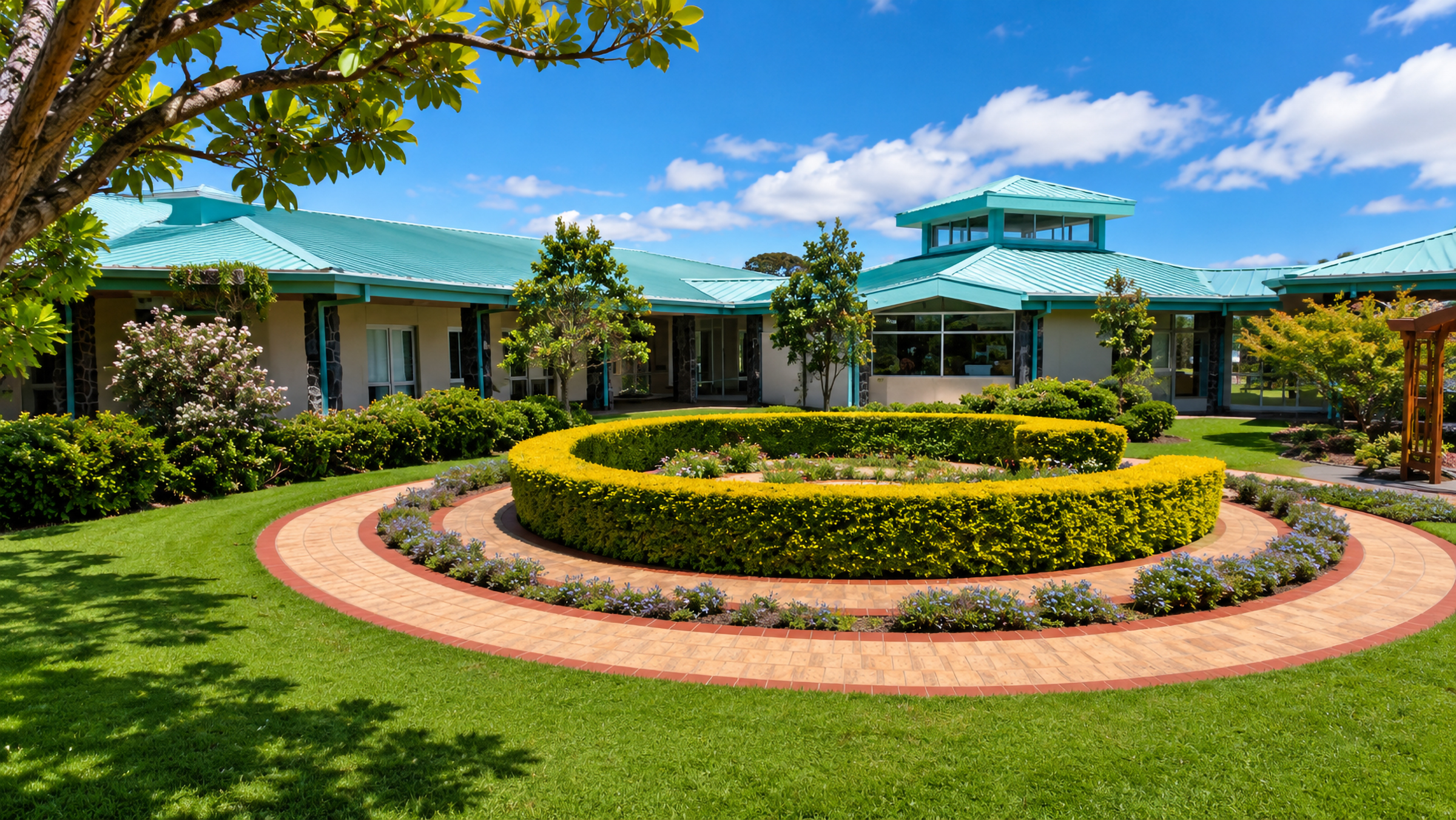
Bakken described the importance of a chapel oriented toward the Kohala Mountains and Mauna Kea, acknowledging the spiritual significance of the surrounding landscape.
The hospital also incorporated complementary services, including Healing Touch, acupuncture, chiropractic, massage, naturopathy, and other approaches. Its healing environment extended beyond clinical services to the physical surroundings, including a healing garden with a labyrinth designed to offer patients, families, and staff a quiet place for reflection, meditation, and walking contemplation.
One contemporary newspaper account reported that approximately half of the hospital’s patients tried Healing Touch. Among those patients, 95 percent reportedly expressed satisfaction or high satisfaction, while 70 percent reported a significant decrease in pain.
Those figures are interesting historical evidence of patient experience, but the published account did not provide the methodology, sample size, comparison group, or other information necessary to establish clinical effectiveness.
The hospital was also not without controversy. Some physicians questioned the scientific basis for complementary therapies, and the institution had to navigate differing views about what belonged in a modern medical setting.
Bakken’s relationship with hospital leadership eventually deteriorated. In 2008, he publicly announced that he was severing his ties with the institution because he believed it had lost its aloha. The hospital later experienced serious financial difficulties and required intervention by Queen’s Health Systems in 2014.
The available historical record does not establish that complementary medicine caused those financial problems, nor does it provide a complete account of which original programs continued.
The hospital remains an important example of Bakken’s attempt to translate a philosophical vision into an operating institution, even if the experiment did not unfold exactly as he had hoped.
Healing was also a community responsibility
Bakken’s vision extended beyond the hospital.
He was involved in establishing Tūtū’s House in Waimea, which opened in 1994 as a community resource for wellness education, health information, and social connection.
Its philosophy reflected a broader understanding of health: people needed opportunities to learn, take responsibility for their well-being, connect with others, and access community resources.
He also participated in the development of Five Mountains Hawaiʻi and supported organizations working in education, conservation, Hawaiian culture, and community development.
His interests included The Kohala Center, Friends of the Future, Nā Kālai Waʻa, the voyaging canoe Makaliʻi, and ʻImiloa Astronomy Center.
These activities were not all medical initiatives. They reflected his conviction that a healthy community required more than hospitals and doctors.
Education, cultural continuity, environmental stewardship, opportunities for young people, and the ability to contribute meaningfully to society were all part of the picture.
The Healing Island
Bakken’s most ambitious concept was the Healing Island.
He envisioned Hawaiʻi Island as a place where individual health and community well-being were interconnected. The hospital was one component, but so were education, family relationships, Hawaiian cultural values, environmental responsibility, and opportunities for meaningful work.

He was interested in measuring the health of the community, not simply the performance of its medical institutions. The North Hawaiʻi Outcomes Project, described in a 2012 Ke Ola profile, reflected this broader interest in population health and community conditions.
His vision included better educational outcomes, youth mentoring, substance-use prevention, food and energy self-reliance, and environmental stewardship.
It was not simply an ambition to attract people seeking alternative medical treatment. It was an attempt to imagine what a healthier society might look like.
There was also an important element of personal responsibility. Bakken spoke about kuleana—the responsibility individuals and organizations have toward their community.
Yet his vision was not limited to telling individuals to make better choices. He also supported institutions and community programs intended to create better opportunities.
The 2012 Ke Ola interview is particularly revealing because Bakken acknowledged that the island’s health indicators were still disappointing. He understood that the vision had not been fully realized.
An unfinished experiment
There is a temptation to describe Bakken’s Healing Island as a successful model of integrative medicine. That would go beyond what the historical evidence establishes.
His philosophy led to real institutional experiments, educational programs, community organizations, and changes in how some healthcare professionals thought about the patient experience.
Bakken was willing to question assumptions within an industry he had helped transform. He continued to value technology while asking whether medicine had become too dependent on it. He explored relationships among physiology, psychology, environment, and community, and tried to give those ideas practical expression.
His vision was collaborative, too. Hawaiian practitioners, local organizers, educators, clinicians, and community leaders contributed their own knowledge and aspirations. Bakken’s role was significant, but he was not the originator of the cultural traditions or community movements with which he became involved.
Perhaps the most interesting part of his story is that he did not stop asking questions when he had already achieved extraordinary professional success.
He came to Hawaiʻi Island looking for a place to live. He became deeply involved in understanding its history, supporting its institutions, and imagining how its communities might become healthier.
The Healing Island remained an unfinished experiment. But it offers a compelling example of what can happen when an accomplished technologist begins thinking beyond the technology itself—and considers the larger systems that sustain human life.
Sources and further reading
- Earl E. Bakken, "The Dream Behind the Summit," Cleveland Clinic Journal of Medicine, 2007, volume 74, supplement 1, page S7.
- Earl E. Bakken, "Preface," Cleveland Clinic Journal of Medicine, 2009, volume 76, supplement 2, page S4.
- Chet Cooper, "Earl Bakken—Setting the Pace," ABILITY Magazine, April 2007.
- Fern Gavelek, "Earl Bakken, at 88, Has Many Dreams Come True," Ke Ola Magazine, May–June 2012.
- Earl E. Bakken and Patrick E. Linton, "Acute Care Design: Healing Environment Case Study—North Hawaii Community Hospital," Journal of Healthcare Design, 1994, volume 6, pages 27–36.
- Bonnie Horrigan, "Building a Healing Hospital," Alternative Therapies in Health and Medicine, 2000, volume 6, issue 2, pages 82–89. Full text requires further review.
Next step
Questions about your own search?
Every situation is different, and the details change the answer. Tell me what you’re considering and I’ll give you an honest read.