Buying
Hāmākua Coast:
Historic Towns, Gulches, Rural Living
 By Carol Porter, Realtor® · September 30, 2026
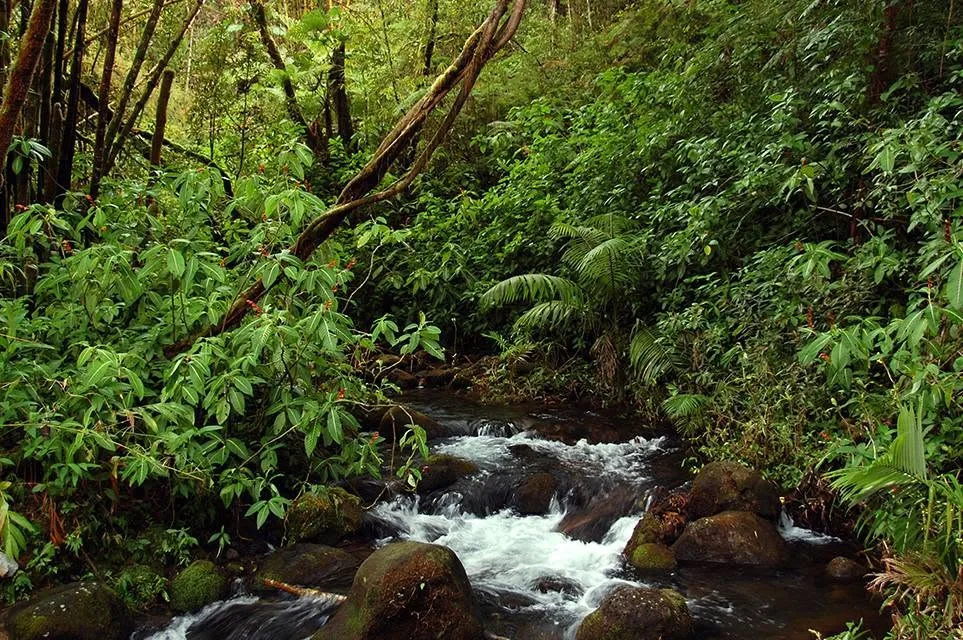
The Hāmākua Coast reveals a different side of Hawaiʻi Island from the beaches and resort communities of the Kohala Coast. Along the northeastern shore, green slopes meet deep gulches, waterfalls, and ocean cliffs. Small towns reflect generations of plantation life, while farms, pastures, and forested land extend inland toward Mauna Kea. For buyers drawn to this landscape, exploring its communities is as important as finding the right property.
Where Is the Hāmākua Coast?
The name “Hāmākua Coast” commonly describes the scenic region extending north from Hilo toward Honokaʻa and Waipiʻo Valley. That broader coastal region includes communities in the Hāmākua, North Hilo, and rural South Hilo districts. The distinction matters when comparing properties, researching locations, or interpreting market information.
Highway 19 connects the coastal communities, with side roads leading into towns and uphill toward rural neighborhoods. Along the broader corridor are Honomū, Hakalau, Laupāhoehoe, Paʻauilo, and Honokaʻa; Kukuihaele lies beyond Honokaʻa on the road to the Waipiʻo Valley lookout. Inland communities such as ʻĀhualoa and Kalōpā offer another perspective on the area, away from the immediate coastline.
Your location makes a substantial difference to daily travel. A home near Honomū has a different relationship to Hilo than one near Honokaʻa, where Waimea may be the more practical destination for some errands and services. When considering a property, drive the actual routes you expect to use—including the final stretch from the highway to the house.
Small Towns Along the Coast
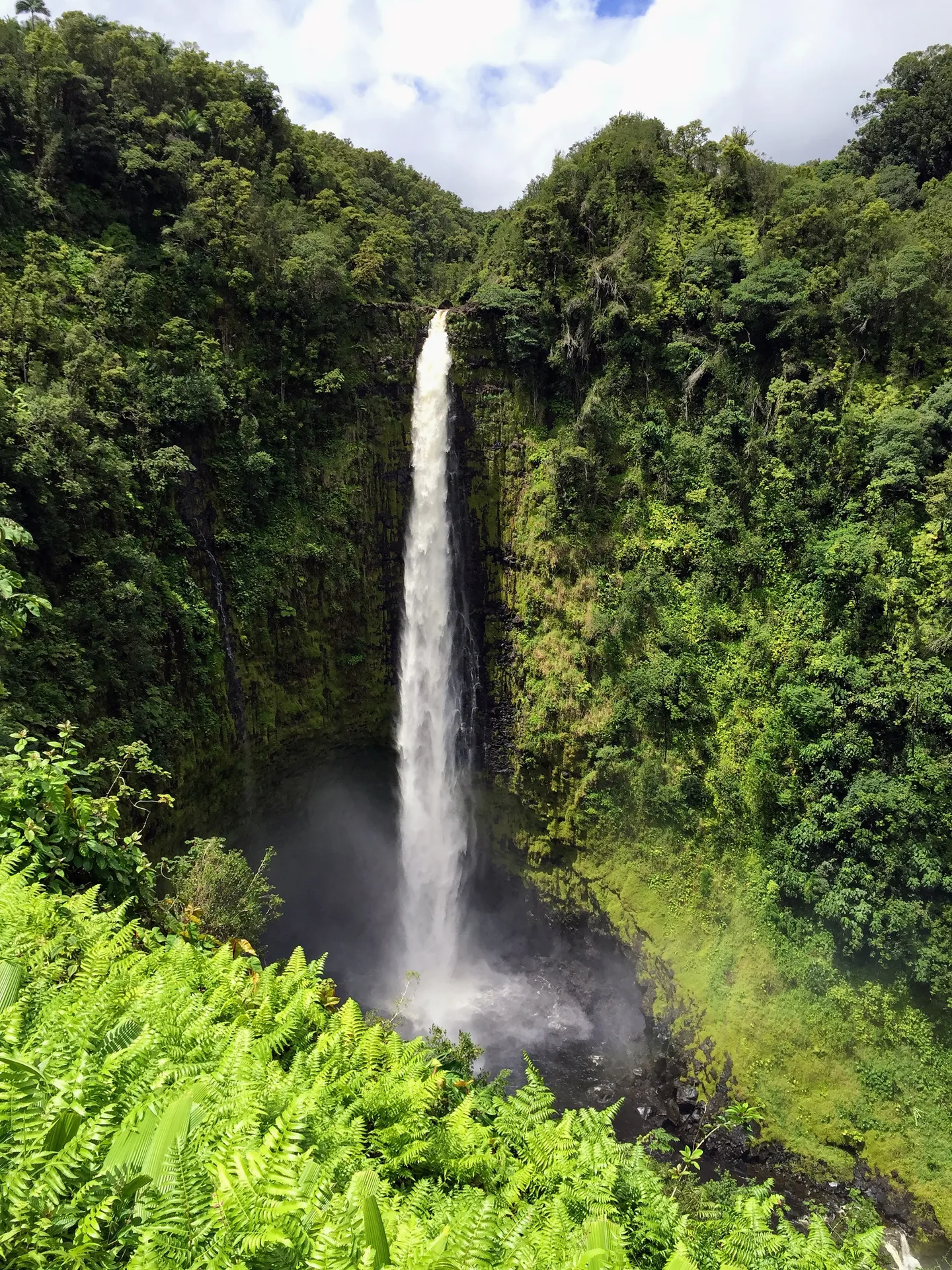
Honomū receives a regular flow of visitors heading to ʻAkaka Falls, but the tiny town is worth a stop itself. Antique shops and other small storefronts make it a pleasant place to park and browse rather than simply drive through. It offers an introduction to the smaller communities along the coast, where a short detour from the highway can become part of the day’s enjoyment.
Farther north, Laupāhoehoe connects the coast’s present-day community life with its maritime and railroad history. The Laupāhoehoe Train Museum, housed in a former station agent’s home, tells the story of the railway that once carried passengers and goods along this coast.
Paʻauilo belongs to the coast’s plantation history as well. For a property search, it is useful to distinguish a home within an established residential neighborhood from acreage farther inland: both may share a locality name while offering quite different settings, access, and maintenance responsibilities. Take time to explore beyond the highway and understand the particular neighborhood surrounding a property.
A Landscape Shaped by Sugar
For more than a century, sugar plantations shaped the Hāmākua Coast’s economy, settlements, and working landscape. Communities grew around mills and plantation operations, and generations of families contributed to the region’s agricultural life and cultural traditions. That history remains visible in town centers, former plantation neighborhoods, and the roads connecting them.
The plantation era is more than an architectural backdrop. These are living communities whose histories continue through families, local organizations, and shared places. Former plantation-camp areas remain residential neighborhoods, offering a different setting from an isolated farm or acreage property.
The road down to Laupāhoehoe Point leads to a dramatic rocky shoreline and a memorial commemorating those lost in the April 1, 1946 tsunami, including students and teachers at the school then located on the peninsula. It is a place for reflection, and a reminder that understanding this coastline includes understanding its natural hazards.
Honokaʻa: A Community Center for the Coast
Honokaʻa is more than a stop on the way to Waipiʻo Valley. Its historic downtown, schools, hospital, theatre, and community organizations make it an important center for the surrounding area. Along Māmane Street, older storefronts remain part of a working town where history and everyday life share the same spaces.
The Honokaʻa People’s Theatre has been a gathering place since opening in 1930 and continues to host films, live performances, and community events. The Honokaʻa Heritage Center, in the historic Botelho Building, explores the region’s Hawaiian, plantation, immigrant, and paniolo histories through exhibits and archival materials. Together with the train museum in Laupāhoehoe, it offers a way to understand the coast through the experiences of its people.
Hawaiian cultural education also continues through Hōʻā Hawaiʻi, which grew out of the Hawaiian Cultural Center of Hāmākua in Honokaʻa. Its work includes Hawaiian language, hula, and oli instruction, alongside land-based learning and community initiatives. It offers another connection to the region’s living culture, complementing the historical exhibits at the Heritage Center.
Honokaʻa also provides practical services that matter when choosing where to live. Honokaʻa Hospital, also known as Hale Hoʻola Hāmākua, offers a 24-hour emergency department, acute care, rehabilitation, and long-term care. Honokaʻa High & Intermediate School serves a wider educational community, with feeder schools that include Waimea Middle School and Paʻauilo Elementary & Intermediate School. Families considering a move should confirm school assignments for the particular address and investigate daily transportation arrangements.
Community life is visible in events such as Honokaʻa Western Week, which celebrates the area’s paniolo heritage, and the Peace Day Parade and Festival organized by the Honokaʻa Hongwanji Peace Committee. On Sundays, Hāmākua Harvest’s farmers’ market and harvest celebrations bring agriculture into that community calendar. Attending a market, performance, or public event offers prospective residents a useful introduction to the town beyond a drive down its main street.
Waipiʻo Valley: A Living Cultural Landscape
Beyond Honokaʻa, the road through Kukuihaele leads toward the Waipiʻo Valley lookout. Waipiʻo is one of Hawaiʻi Island’s most significant cultural landscapes. Associated with Hawaiian aliʻi and the early life of Kamehameha I, it was an important center of political and religious life. Its steep valley walls, waterfalls, kalo fields, and black-sand shoreline are striking, but the valley is also home to residents and continuing agricultural and cultural practices.
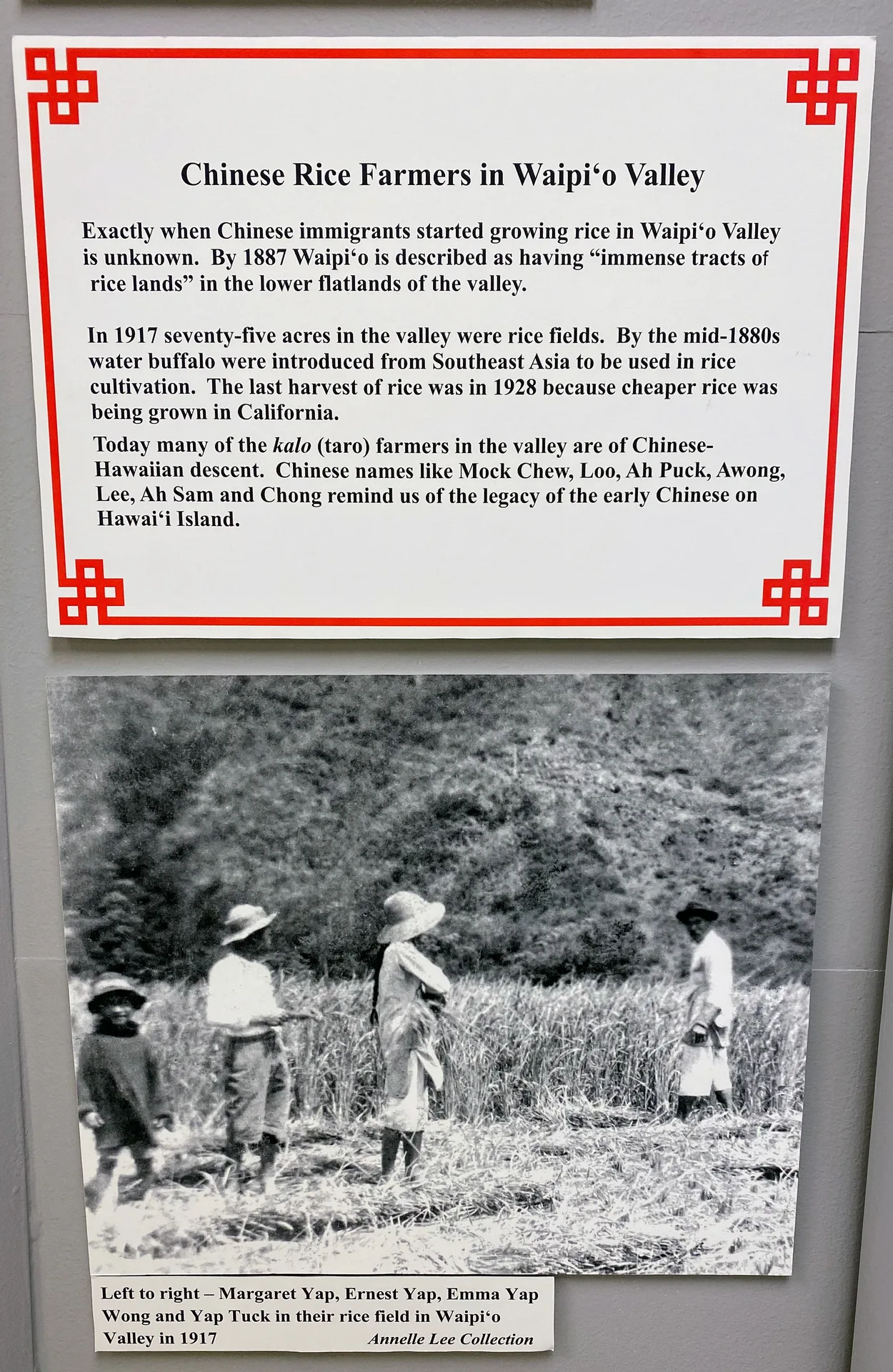
The valley’s agricultural history includes Chinese rice farmers. On a visit to the Honokaʻa Heritage Center, I photographed a display showing members of the Yap family in their Waipiʻo rice field in 1917. The accompanying account describes extensive rice cultivation by 1887 and the introduction of water buffalo in the mid-1880s to help work the fields. According to the display, the valley’s last rice harvest was in 1928, as competition from cheaper California rice ended that chapter of farming. It adds another layer to the history of a valley now closely associated with kalo cultivation.
The lookout offers a view into the valley without traveling down its steep access road. Road access is restricted, and conditions and rules can change. Before planning a visit or booking a tour, check current Hawaiʻi County access guidance and confirm that any operator is authorized to enter. Respect for residents, private property, and cultivated land belongs at the center of any visit.
Agriculture Beyond the Plantation Era
Agriculture remains part of the coast’s identity. Kalo, vegetables, tropical fruit, and other crops contribute to a varied farming landscape, alongside pastures and rural residential properties. Farmers’ markets offer opportunities to buy locally grown food and meet producers. For someone interested in growing food or establishing a small farm, the appeal is understandable—but a green landscape alone does not establish a parcel’s agricultural suitability.
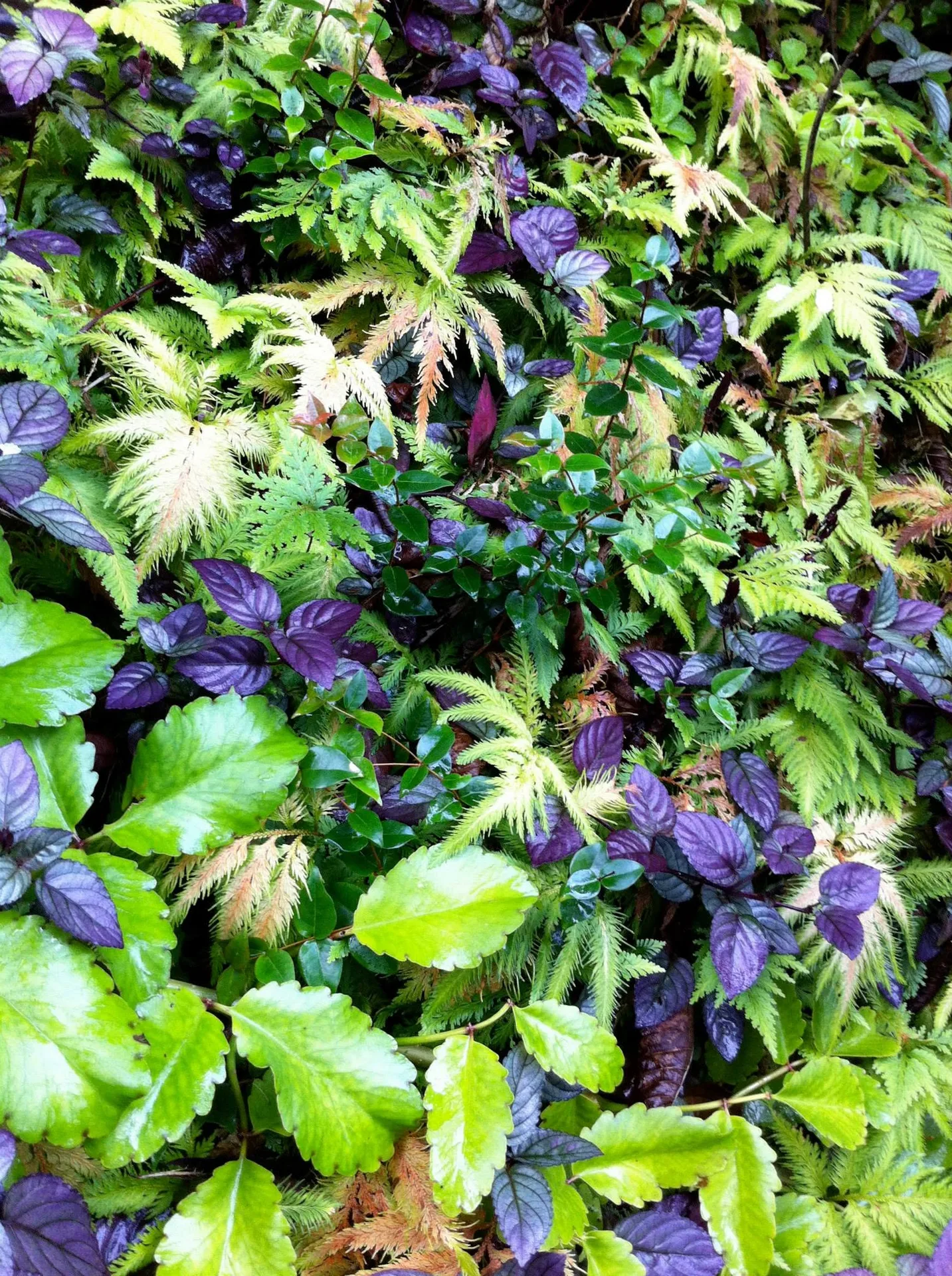
Elevation, rainfall, sunlight, slope, soil conditions, and water supply should guide the choice of land and crops. A property that works well for an orchard may be less suitable for another use. If farming is part of your plan, evaluate the land with that specific purpose in mind before buying.
Eucalyptus and the Debate Over What Comes Next
The tall eucalyptus stands lining stretches of the Belt Road are another chapter in the coast’s agricultural history. In the 1990s, some former sugar lands were planted with fast-growing eucalyptus for commercial timber harvest. The conversion prompted community opposition, including concerns about herbicide spraying and the use of agricultural land. These planted forests are part of the working landscape, with a history distinct from the island’s native forests.
Eucalyptus also became central to the proposed fuel supply for the Hu Honua biomass power project, also known as Honua Ola Bioenergy, at Pepeʻekeo. The project has generated prolonged debate about electricity costs, greenhouse gas emissions, and the environmental consequences of burning trees for energy. In 2023, the Hawaiʻi Supreme Court upheld the Public Utilities Commission’s rejection of its proposed power purchase agreement. Subsequent litigation and negotiations have continued, illustrating the unresolved questions surrounding energy production and the future use of former plantation lands.
What Everyday Life Looks Like
Living along the Hāmākua Coast requires choosing your location as carefully as your house. Consider where you will buy groceries, receive medical care, attend activities, and meet friends, as well as how often you expect to travel to Hilo or Waimea. Visit nearby town centers and businesses to understand what is available locally and what will require a longer drive.
The same care applies to climate. Coastal and upland properties can feel quite different, and rainfall, cloud cover, wind exposure, and temperature deserve attention at the property itself. Spend time there under different conditions if possible. For a house, look closely at ventilation, signs of moisture, roof condition, gutters, and how water moves across the site.
If you work from home, verify internet service at the exact address and test cellular reception. If regular trips to the Kohala Coast are part of your routine, include those drives in your evaluation. A scenic route on an occasional outing may feel different as a frequent commute.
Homes and Land: Look Beyond the Acreage
A search along this coast may include older plantation homes, houses on town lots, agricultural acreage, and larger rural residences. These properties can differ substantially in condition, infrastructure, and maintenance needs. Compare a property’s practical usefulness as closely as its appearance or lot size.
Acreage deserves particular scrutiny. Gulches, steep slopes, drainage corridors, and access arrangements can affect how much land is usable and how easily it can be maintained. An ocean view also does not establish that a property has shoreline access. Walk the site with appropriate professionals, review available records, and understand what you would actually be buying.
What Buyers Should Investigate
For a rural property, water and access are good places to begin. Confirm the water source and any service or system limitations, then review wastewater arrangements and available records. Establish legal access, identify any shared-road agreements, and understand responsibility for road maintenance. These questions are best answered during due diligence.
A property’s agricultural history also deserves attention. Arsenic-based herbicides were historically used in Hawaiʻi’s sugar industry, and residues have been identified in some former cane-field soils. For former plantation land, consider an environmental professional’s advice on soil testing for arsenic and any other contaminants suggested by the property’s past uses. Former pesticide mixing, storage, or loading areas warrant particular scrutiny. Review existing environmental reports and discuss your intended use of the land when determining the appropriate sampling and tests.
Review permits and the documented uses of the house and other structures, particularly where buildings have been expanded or converted over time. If your plans include additional construction, farming, or vacation rental use, investigate the applicable requirements before relying on those possibilities.
Site conditions also matter. Ask about drainage, past flooding, slope stability, and any relevant coastal exposure. A stream or gulch may contribute to the setting while also requiring closer investigation. For older homes, include qualified inspections of the structure and major systems, with attention to termites and moisture.
Finally, consider the work involved in owning the property. Mowing, vegetation management, fencing, drainage upkeep, and maintaining a long driveway can become significant responsibilities. The right property should suit both the life you envision and the time and resources you want to devote to it.
Is the Hāmākua Coast Right for You?
If you are drawn to green landscapes, historic towns, and the possibility of rural living, the Hāmākua Coast deserves a closer look. Explore its communities as well as its properties, then narrow your search by location, climate, condition, and the amount of land you want to manage. Those choices will tell you more than a broad regional description can.
I’m glad to help you compare properties along the Hāmākua Coast with Waimea, the Kohala Coast, or other parts of Hawaiʻi Island—and identify the questions worth answering before you make a decision. Text or call me at 808-769-0727, or email carol@betterislandlifestyle.com.
With aloha,
Carol Porter
REALTOR® · RS-87584 · HI
Better Homes and Gardens Real Estate Island Lifestyle
Next step
Questions about your own search?
Every situation is different, and the details change the answer. Tell me what you’re considering and I’ll give you an honest read.