
Technology, Innovation, Stewardship and the Future of Hawaiʻi Island
Henk Rogers: From Tetris to Energy Independence to the Moon
 By Carol Porter, Realtor® · September 22, 2026
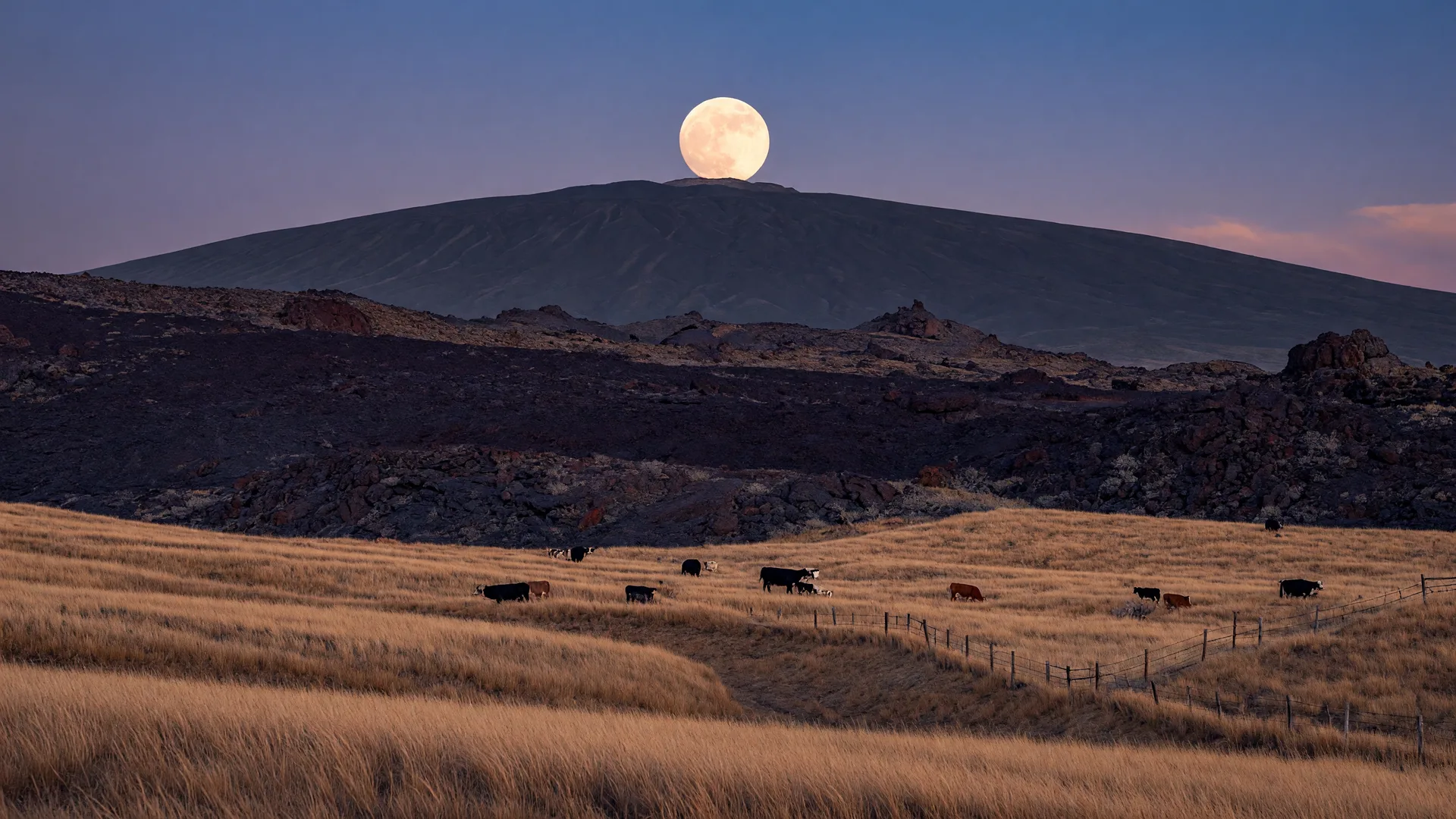
When I think about people who have brought an unusual combination of technology, entrepreneurship, and systems thinking to Hawaiʻi Island, Henk Brouwer Rogers is one of the first people who comes to mind.
Most people know Rogers because of Tetris. He discovered the game at the 1988 Consumer Electronics Show in Las Vegas, became convinced of its enormous potential, and set out to secure the rights. That journey eventually took him to Moscow, where he negotiated with Soviet authorities and met the game's creator, Alexey Pajitnov. Rogers ultimately secured the rights to distribute Tetris on Nintendo's Game Boy, helping turn a relatively obscure computer game into a global phenomenon.
That is already a remarkable story. But it is his Hawaiʻi Island story that interests me most.
Why Did the Creator of Tetris Pivot to Renewable Energy?
In 2005, after selling his company Blue Lava Wireless, Rogers suffered a heart attack. He describes that experience as a turning point that led him to identify a new set of missions for his life. One of those missions became energy.
In 2007, he founded the Blue Planet Foundation with a focus on moving Hawaiʻi away from fossil fuels. The organization became a major advocate for the goal Hawaiʻi eventually adopted in 2015: requiring the state's electric utilities to reach 100 percent renewable electricity by 2045.
There is an interesting progression here. Tetris was a problem of recognizing potential, figuring out who controlled the pieces, and putting them together into something much larger than its creator imagined. Energy is a different kind of systems problem. An island has to generate its own electricity, manage storage, deal with peaks and valleys in demand, and find ways to make renewable resources useful even when the sun isn't shining.
Rogers wasn't content simply to advocate for a different energy policy. He wanted to experiment with what a self-sufficient energy system might actually look like. That is where Puʻuwaʻawaʻa Ranch enters the story.
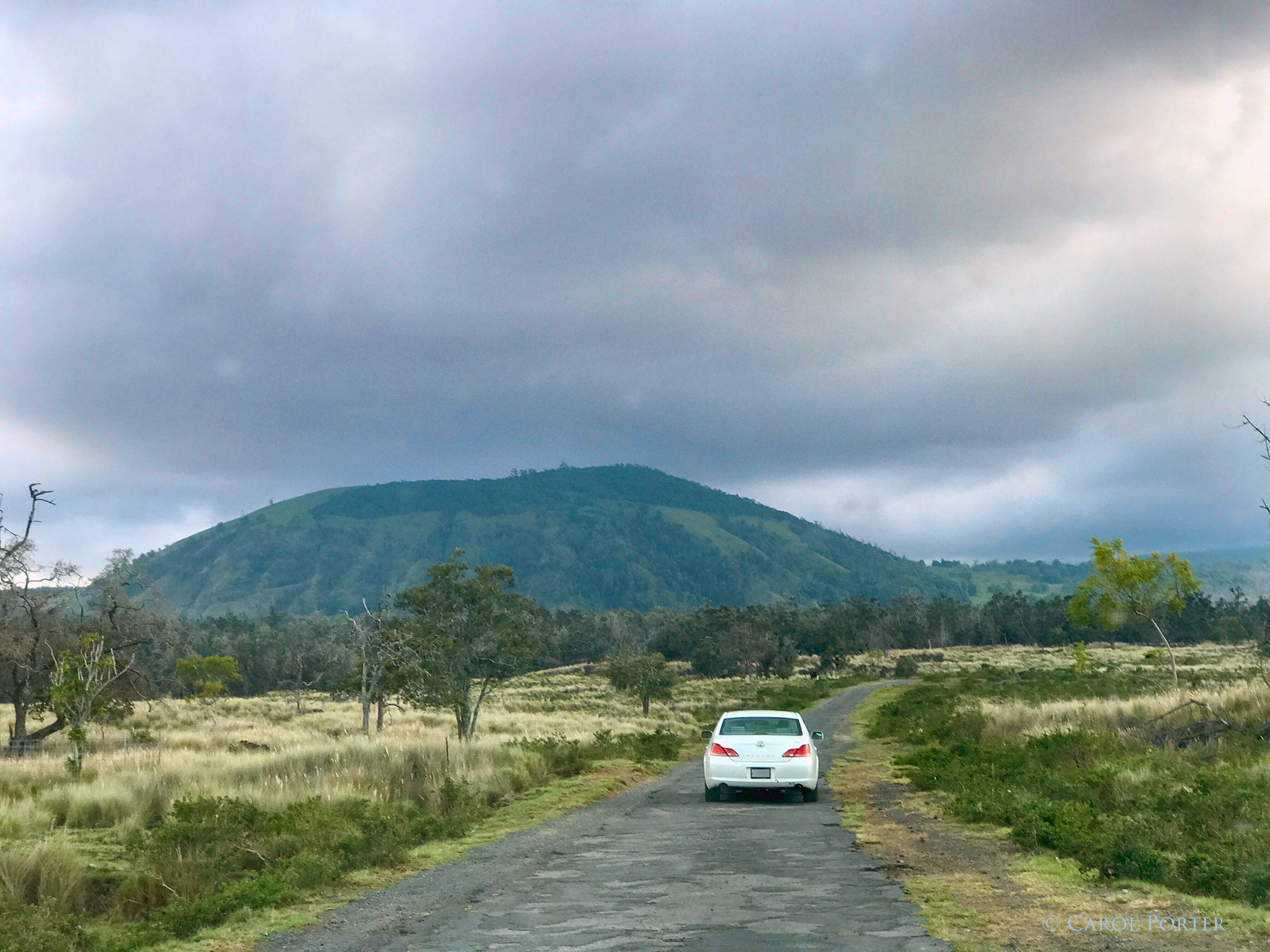
How does Puʻuwaʻawaʻa Ranch Test Off-Grid Energy Alternatives in Hawai‘i?
In a 2015 interview, Vincent Paul Ponthieux described the early work being done at Rogers' ranch. Ponthieux, who had worked in construction and architectural design, met Rogers when he came to Hawaiʻi Island to help with architectural work. One of their early projects was a workshop.
The original plan included solar power connected to the utility grid, but getting the conventional system connected proved more difficult than expected. Instead of forcing it, they reconsidered the problem and decided to take the building off-grid entirely. What followed was more ambitious than simply installing solar panels.
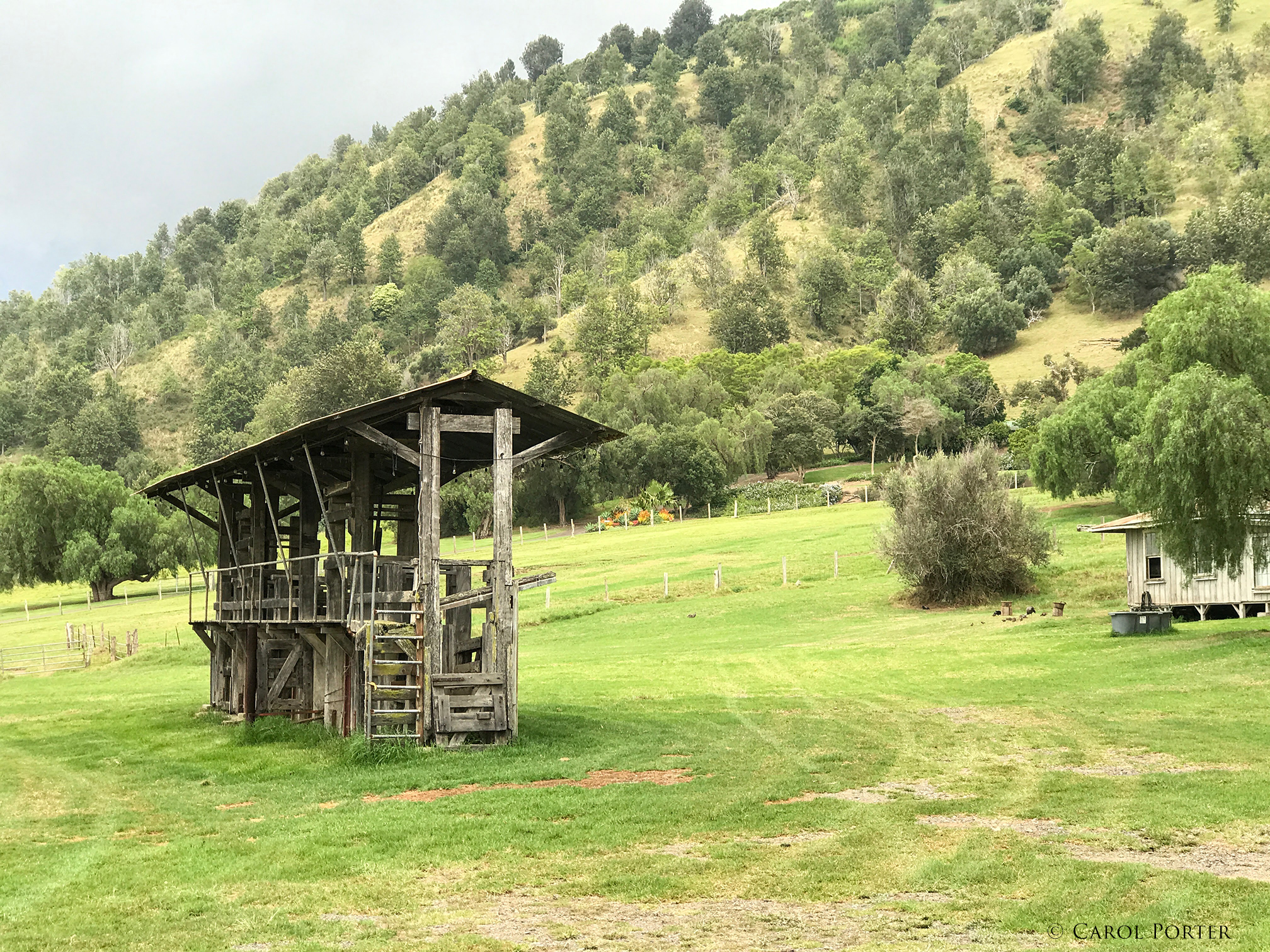
The ranch was once part of a much larger cattle operation. It remains a working landscape today, but a very different kind. While it is no longer a traditional commercial ranch, livestock still graze the land. Today, cattle are managed by paniolo (Hawaiian cowboys) specifically for fire fuel management. By controlling fine fuels, the grazing livestock help reduce wildfire risks along Highway 190 and within local conservation units — a gift to the island.
Situated at roughly 2,500 feet elevation with relatively little rainfall, the property relies on a deep fresh-water well. Pumping water from a depth of 2,400 feet to supply the ranch — plus roughly 150 families in the surrounding area, including homes in the nearby residential community of Pūʻū Lani Ranch — requires a massive 75-kilowatt pump.
To power this, and the rest of the property, they built an intricate, off-grid ecosystem. The resulting landscape is a fascinating blend of old and new: alongside traditional gardens, livestock, and historic ranch structures sits an advanced energy laboratory.
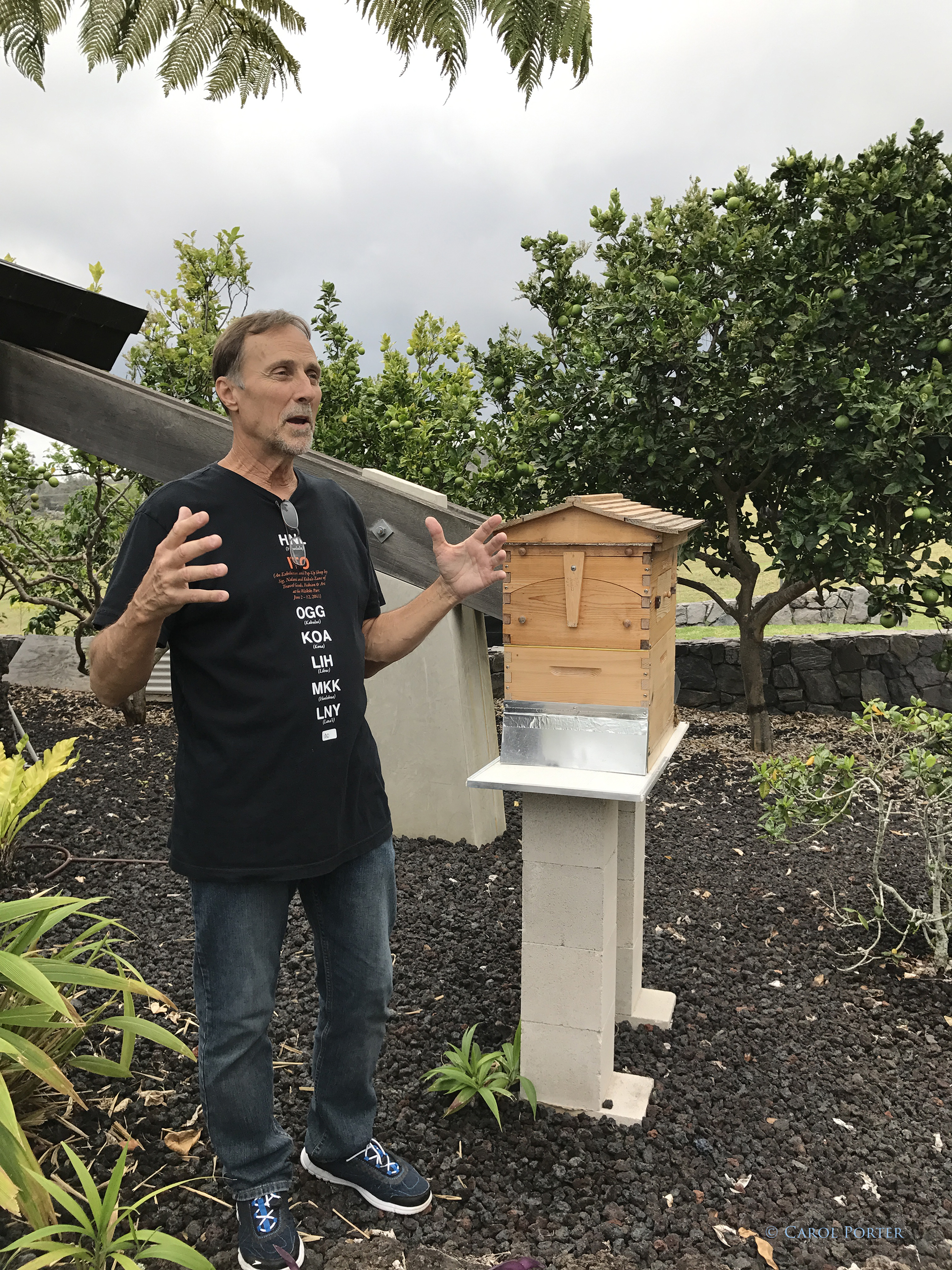
If you watch this recent video tour led by Rogers, you can see exactly how far this vision has come. Massive solar arrays generate electricity. Substantial battery banks store it. The system even provides free refrigeration for the West Hawaiʻi Seed Bank, ensuring native plants can be propagated and preserved.
When the batteries reach full charge early on a sunny day, the excess energy doesn't go to waste—it is used to produce hydrogen, which can then be stored and converted back into electricity through a fuel cell.
Water supports the land. Solar energy pumps the water. Excess electricity produces hydrogen. The result is both a single technology demonstration and a collection of interconnected systems. The important idea is not that one specific technology will solve everything; it is that the technologies can be designed as interacting parts of a larger whole.
An island makes infrastructure visible. We cannot simply assume that another transmission line or water source is going to magically appear when we need it. Sometimes the problem is better solved by asking a different question: What if the system itself were designed differently?
The Man Cave
My own introduction to the work at Puʻuwaʻawaʻa Ranch was fairly informal. A good friend's cousin works there, and through him, I was invited to a friends-and-family tour led by Ponthieux. I got to see the Energy Lab and learn about the systems being developed to generate, store, and use renewable energy. At that time, the deep fresh-water well that supplies the surrounding families still got its power from the electrical grid.
The tour was exciting, informative and fascinating, but what happened afterward was the highlight.
We had a potluck dinner in what Henk calls his "man cave"—a gigantic shed-like structure with a solar-paneled roof, walls on three sides with the fourth side wide open and facing the ranch operations. It was an authentic, Hawaiian-style gathering with the paniolo and the engineers who develop and operate the ranch's technology. Their daily work is completely different yet their camaraderie and mutual admiration was palpable. All are stewards of the same piece of land and essential contributors to the same experiment.
The most interesting thing wasn't simply the technology itself. It was the attempt to make an entire working place function differently.
How Does Hawai‘i Island Simulate Life on the Moon?
There is another remarkable turn in the Rogers story. The same island landscape used to test energy systems also happens to contain extraordinarily useful environments for thinking about space exploration.
Rogers became involved with HI-SEAS—the Hawaiʻi Space Exploration Analog and Simulation project—a habitat on Mauna Loa designed to simulate conditions relevant to human missions to Mars and the Moon. In 2017, he founded the International MoonBase Alliance with the goal of developing technologies for sustainable human settlements in space.
There is a wonderful connection between these projects. At Puʻuwaʻawaʻa, the question is essentially: How do you make a remote place work when you cannot depend on conventional infrastructure?
In a Moon habitat, the question becomes much more extreme: How do you make a place work when there is no conventional infrastructure at all? You have to think about energy, storage, water, waste, food, and human needs as one interconnected, closed-loop system. Mauna Loa's barren volcanic landscape became a place to practice thinking about what human life might require millions of miles away.
The Systems Thinker
What interests me about Henk Rogers is not simply the number of different things he has done. It is the way one idea leads to another.
Tetris was about seeing potential in a system of pieces. Energy is about redesigning a system that Hawaiʻi has historically operated by importing fossil fuels. Puʻuwaʻawaʻa became a place to experiment with what a different energy system could look like in practice. And the Moon requires us to think about all of those problems again, but with almost none of the infrastructure we take for granted on Earth.
That is the part of the story that resonates with me. I spend a lot of time thinking about what makes a property on Hawaiʻi Island actually work.
A property is never just the house or the piece of land. It exists within a much larger system: water, energy, transportation, communications, geology, history, and community. The more I learn about people who are trying to solve large systems problems here, the more I understand the island itself.
Rogers looked at an island and saw an energy problem. He looked at the same island and saw a laboratory. And then he looked at its volcanic landscape and saw a place where we might begin to learn how humans could live somewhere else.
When you are deciding whether a place is somewhere you want to live, you are not simply choosing a house. You are choosing a place within a system. Hawaiʻi Island makes those systems unusually visible. That is one of the things that keeps me interested in the people who come here—and in the place itself.
With aloha,
Carol Porter
REALTOR® · RS-87584 · HI · Better Homes and Gardens Real Estate Island Lifestyle
Next step
Questions about your own search?
Every situation is different, and the details change the answer. Tell me what you’re considering and I’ll give you an honest read.