
Real Estate Scams on Hawaiʻi Island:
Deepfakes, Fake Sellers, and Payment Pressure
 By Carol Porter, Realtor® · November 24, 2026
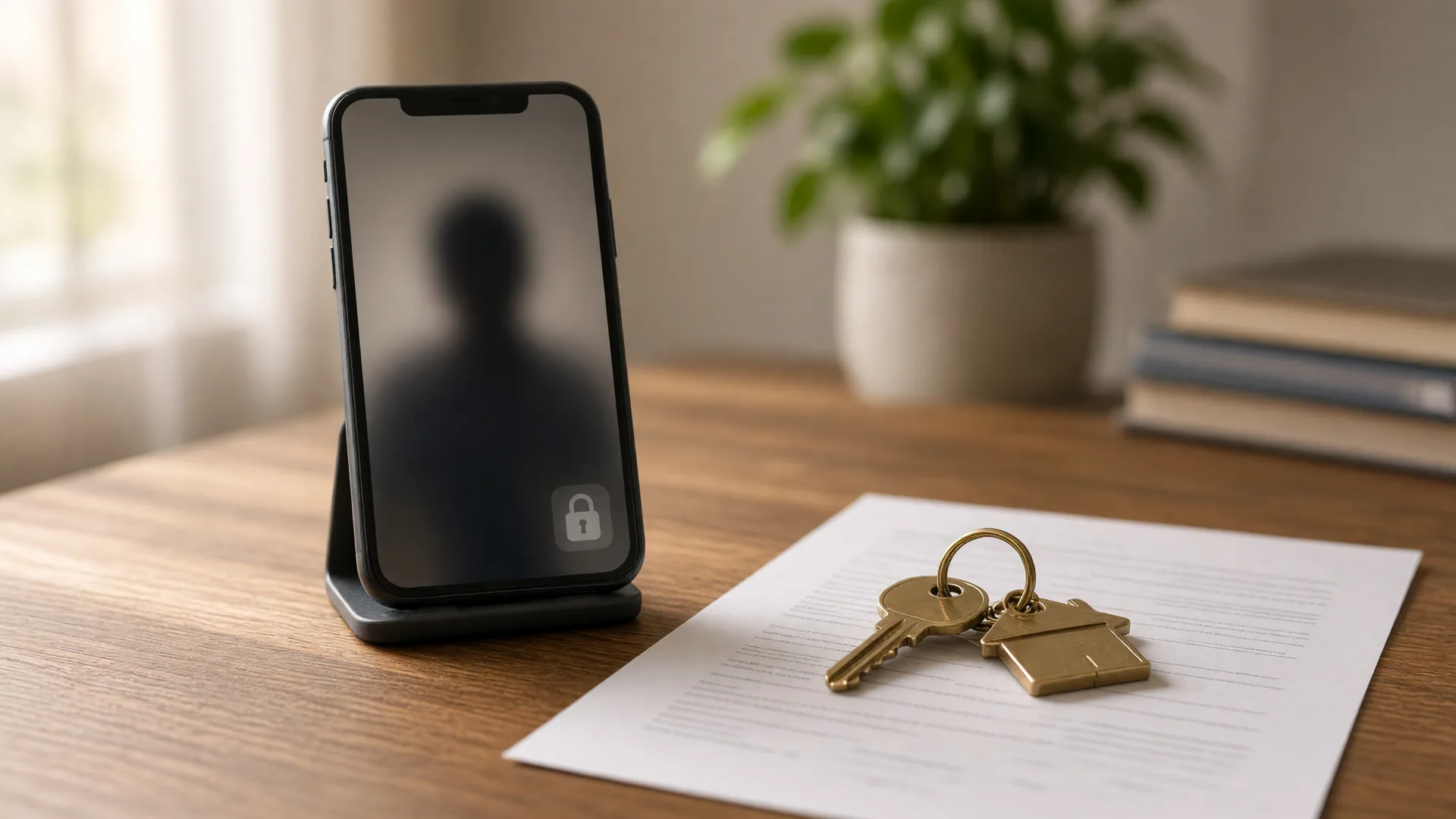
A call can sound like it came from your escrow officer. A vacant lot can be listed by someone posing as its owner. A rental ad can show photos of a real house and still be a scam. In each case, something familiar or verifiable can make the rest of the story seem credible. ic3.gov
My article on protecting your closing funds explains how to verify wiring instructions. The same habit can protect you earlier in a transaction, when you’re deciding whether someone has the authority to sell or rent a property, whether to share personal information, or whether a payment request is genuine.
When the voice or face looks familiar
AI can imitate someone’s voice, generate convincing messages, and create videos that make an impersonation harder to recognize. Imagine a caller who sounds like your escrow officer and asks you to send a copy of your ID before the end of the day. Even if the caller knows details about your transaction, take a moment to confirm the request. ic3.gov
End the call and dial the escrow office using a number you verified separately. If the request came by text or email, start a new conversation through a contact you already trust. Ask whether the office made the request and how it wants you to submit the document. Caller ID and a familiar voice are easy to put too much faith in when you’re already expecting to hear from someone. ic3.gov
When the seller may be impersonating the owner
The FBI has warned about criminals posing as owners of vacant parcels and trying to sell them without the owners’ knowledge. This is worth keeping in mind if you’re shopping for land on Hawaiʻi Island. An off-island owner may have good reason to handle a sale remotely. A vacant parcel, pressure to close quickly, and resistance to routine identity checks are more concerning when they appear together. ic3.gov
If you’re buying, ask your agent and the title or escrow company how they will establish both who owns the property and whether the person signing has authority to sell it. A public record can tell you whose name appears on title. An impersonator can look up that name, too. If you own land and discover a listing you never authorized, save a copy and contact the listing brokerage directly using its published number. ic3.gov
When a rental listing uses real photos
A scammer can copy photos and details from a legitimate listing, post the property at an attractive rent, and ask for a deposit to hold it. If you’re searching from the mainland, it may be tempting to send money before you arrive, especially if you’re told someone else is ready to take it. Consumer Advice
Search the street address and compare the listings. If another ad names a property manager, look up the company independently and ask whether it handles the rental. Arrange a showing or have someone you trust see the property on your behalf. Verify who is authorized to rent it before you pay or send an application with sensitive information. Consumer Advice
When someone insists you pay in cryptocurrency
An unexpected instruction to send a deposit or closing funds to a cryptocurrency wallet deserves an immediate pause, especially if it comes with a deadline. Call your escrow officer using the number you independently verified and ask the office to confirm the amount due and the payment method it accepts. If the request came from a supposed landlord, verify the listing and the person’s authority before paying anything. The FTC flags demands for cryptocurrency as a warning sign in rental scams because these payments can be difficult to recover. nar.realtor
Stop. Verify. Then send.
Before sending money, sharing identification, or acting on a last-minute change, pause and verify the request through a contact you established independently. The question to ask is who can confirm this request and their authority to make it? A second message from the same sender gives you the same source. sellingbigisland.com
If you think you’ve been targeted
If you already sent a bank transfer, call the financial institution that sent it immediately and ask whether it can recall or reverse the transfer. Then file a report with the FBI’s Internet Crime Complaint Center and alert your agent, escrow officer, and lender as applicable. Save the messages, listing screenshots, and payment records. If you sent cryptocurrency, include the wallet address and transaction ID in your report. Internet Crime Complaint Center (IC3)
A note on the numbers
The FBI’s Internet Crime Complaint Center recorded 12,368 complaints and $275.1 million in reported losses in its real estate category in 2025, up from 9,359 complaints and $173.6 million in 2024. These totals cover reported complaints across a broad category that includes rental, investment, and timeshare fraud. They don’t tell us how often the individual schemes described here occur on Hawaiʻi Island. FEDERAL BUREAU OF INVESTIGATION
With aloha,
Carol Porter
REALTOR® · RS-87584 · HI · Better Homes and Gardens Real Estate Island Lifestyle
Sources
- National Association of REALTORS®, Protecting Your Clients and Your Business From Fraud https://www.nar.realtor/fraud
- FBI Internet Crime Complaint Center, 2025 Internet Crime Report https://www.ic3.gov/AnnualReport/Reports/2025_IC3Report.pdf
- FBI Internet Crime Complaint Center, Criminals Use Generative Artificial Intelligence to Facilitate Financial Fraud https://www.ic3.gov/PSA/2024/PSA241203
- FBI Internet Crime Complaint Center, Protect Your Property from Illegal Sales Through Parcel Owner Impersonation https://www.ic3.gov/PSA/2026/PSA260616
- Federal Trade Commission, Avoiding Rental Listing Scams https://consumer.ftc.gov/consumer-alerts/2024/07/avoiding-rental-listing-scams
Next step
Questions about your own search?
Every situation is different, and the details change the answer. Tell me what you’re considering and I’ll give you an honest read.