Part of the Series: Technology, Innovation, Stewardship and the Future of Hawaiʻi Island
Technology, Innovation, Stewardship, and the Future of Hawaiʻi Island
 By Carol Porter, Realtor® · September 13, 2026
Hawaiʻi Island has attracted people with unusual ideas, deep expertise, entrepreneurial ambition, and a desire to contribute to something larger than themselves. Some have built companies, advanced technology, conducted scientific research, or changed the practice of medicine. Others have invested in education and healthcare, supported conservation, managed significant landholdings, or helped shape the future of the communities they call home.
Their backgrounds and accomplishments are different, but they share an important connection: Hawaiʻi Island has been a place where they have chosen to live, work, invest, create, or contribute.
This series explores those people, their ideas, and the lasting effects of their work. It includes technology pioneers and entrepreneurs, scientists and physicians, philanthropists, land stewards, and community leaders. Some are widely known; others have made important contributions that are less familiar beyond the island.
What interests me is not simply what these individuals accomplished professionally, but what they chose to do with their knowledge, resources, influence, and opportunities—and what they left behind.
Why Hawaiʻi Island Attracts People with Vision
There are practical reasons why Hawaiʻi Island appeals to people who think differently about the future. Its geography, climate, geology, and natural environment create conditions that are difficult to replicate elsewhere.
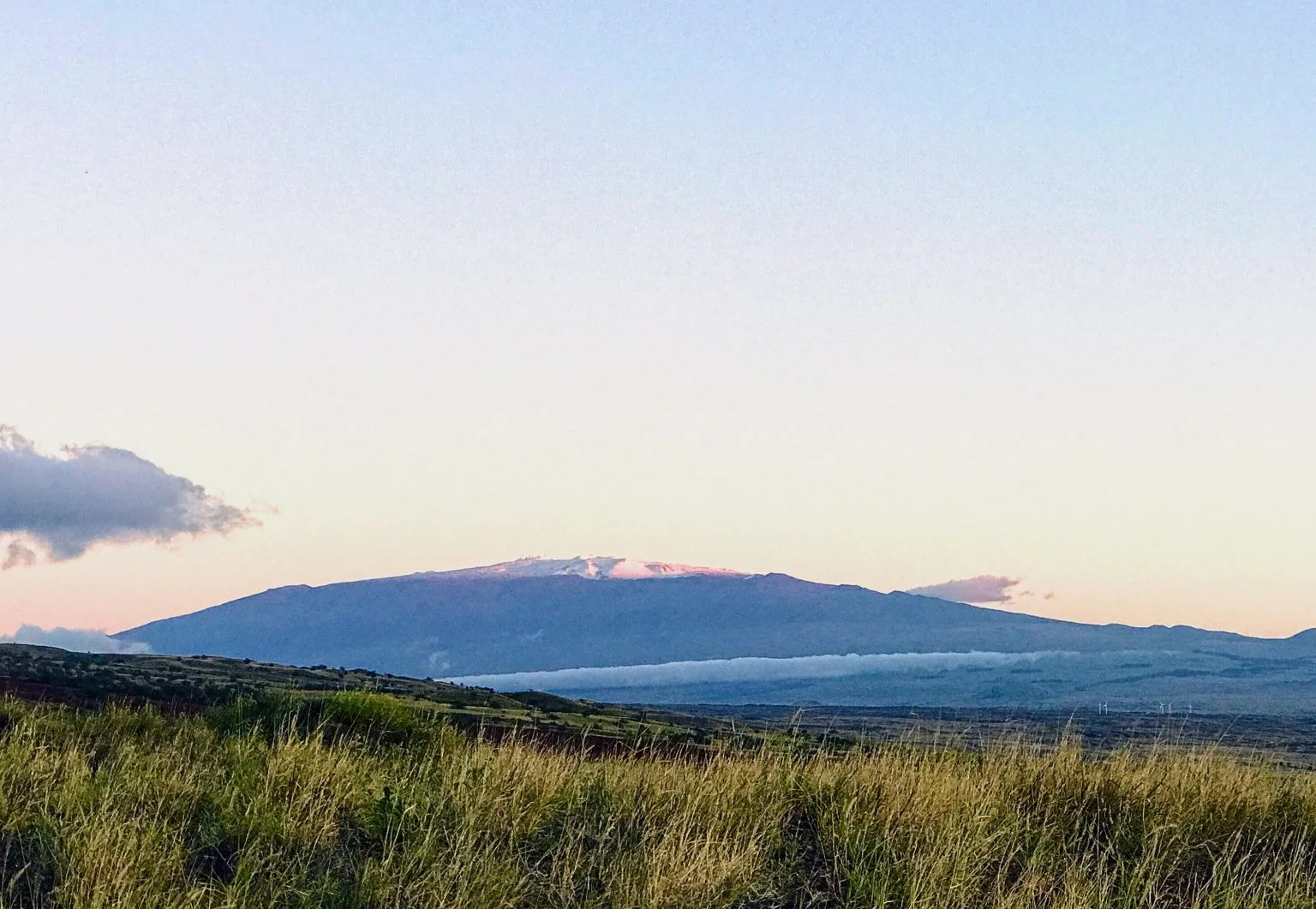
Mauna Kea is one of the world's premier astronomical observing sites. Mauna Loa provides an extraordinary setting for atmospheric research. The island's volcanic landscapes have offered opportunities to study environments relevant to space exploration.
Hawaiʻi Island has also become a testing ground for ambitious approaches to ecological restoration. Through Terraformation, founded by former Reddit CEO Yishan Wong, projects in North Kohala, Waimea, and North Kona have explored how technology, renewable energy, seed banking, and practical forestry can help restore degraded landscapes and native forests.
But the island's appeal extends beyond its scientific and environmental assets. It offers room to pursue ideas, build enterprises, support institutions, and engage with a community in ways that can be difficult in larger, more densely developed places.
For some, Hawaiʻi Island becomes a place to continue working on ambitious projects. For others, it offers the opportunity to redirect their time and resources toward education, healthcare, conservation, or community development. Some come here after a successful career; others build their next chapter here.
The Many Forms of Innovation and Stewardship
Innovation is not limited to technology. It can take the form of a medical invention, a new approach to energy, a scientific discovery, an entrepreneurial venture, or a better way to manage natural resources.
Stewardship is equally broad. It can mean protecting land, sustaining a working ranch, investing in schools and healthcare, supporting cultural and environmental resources, or making decisions with consequences that extend well beyond one's own lifetime.
Hawaiʻi Island offers examples of both.
People such as Earl Bakken, Gordon Moore, Henk Rogers, and Yishan Wong represent different intersections of technology, entrepreneurship, science, energy, and the island's future. Their stories illustrate how professional experience and personal interests can find new expression here.
Other individuals have made their mark through land management, philanthropy, and community vision. Richard Smart, whose stewardship of Parker Ranch and support for North Hawaiʻi institutions left a lasting legacy, is one example. His story reminds us that the future of a place is shaped not only by new inventions and businesses, but also by how people manage resources and invest in the communities that sustain them.
These contributions are not all alike, and they should not be measured by the same standard. What they share is a lasting connection to Hawaiʻi Island and an influence that reaches beyond individual achievement.
The Connection Between People, Place, and Possibility
An island is a particularly revealing place to study how communities function. The systems that sustain everyday life are tangible: where energy comes from, how water is supplied, how wastewater is handled, how goods arrive, how transportation works, and what happens when infrastructure is disrupted.
Hawaiʻi Island faces distinctive challenges because of its size, geography, distance from major population centers, and varied environmental conditions. Water availability, energy costs, internet connectivity, insurance, volcanic geology, land use, and transportation all affect how and where people live.
These are not abstract subjects. They influence the choices available to residents, businesses, institutions, and prospective property owners. They also create opportunities for people willing to apply their experience, knowledge, and resources to difficult problems.
I am interested in the relationship between the people who come here and the place itself. What does someone bring to the island? What does the island make possible for that person? How do their decisions affect the land, the community, and the people who will come after them?
Why These Stories Matter to Real Estate
For me, these questions also lead back to real estate.
A property is never just a house or a piece of land. It exists within a much larger system of water, energy, transportation, communications, infrastructure, geology, climate, land use, history, and community.
Understanding those connections is especially important on Hawaiʻi Island. Two properties that appear similar on paper may have very different practical considerations because of their location, climate, infrastructure, zoning, ownership structure, or surrounding community.
The people and stories explored in this series offer another way to understand the island. They provide context for how communities developed, how land has been used, how institutions were built, and how decisions made decades ago continue to influence the choices available today.
The better I understand Hawaiʻi Island—not just its real estate market, but its people, history, resources, and systems—the better equipped I am to help buyers understand what they are considering.
That is the perspective behind this series: looking beyond the obvious, asking better questions, and understanding the connections between people, property, place, and the future of Hawaiʻi Island.
With aloha,
Carol Porter
REALTOR® · RS-87584 · HI
Better Homes and Gardens Real Estate Island Lifestyle
Next step
Questions about your own search?
Every situation is different, and the details change the answer. Tell me what you’re considering and I’ll give you an honest read.