
Investing
Can a Big Island Vacation Rental Pay for Itself?
 By Carol Porter, Realtor® · June 15, 2026
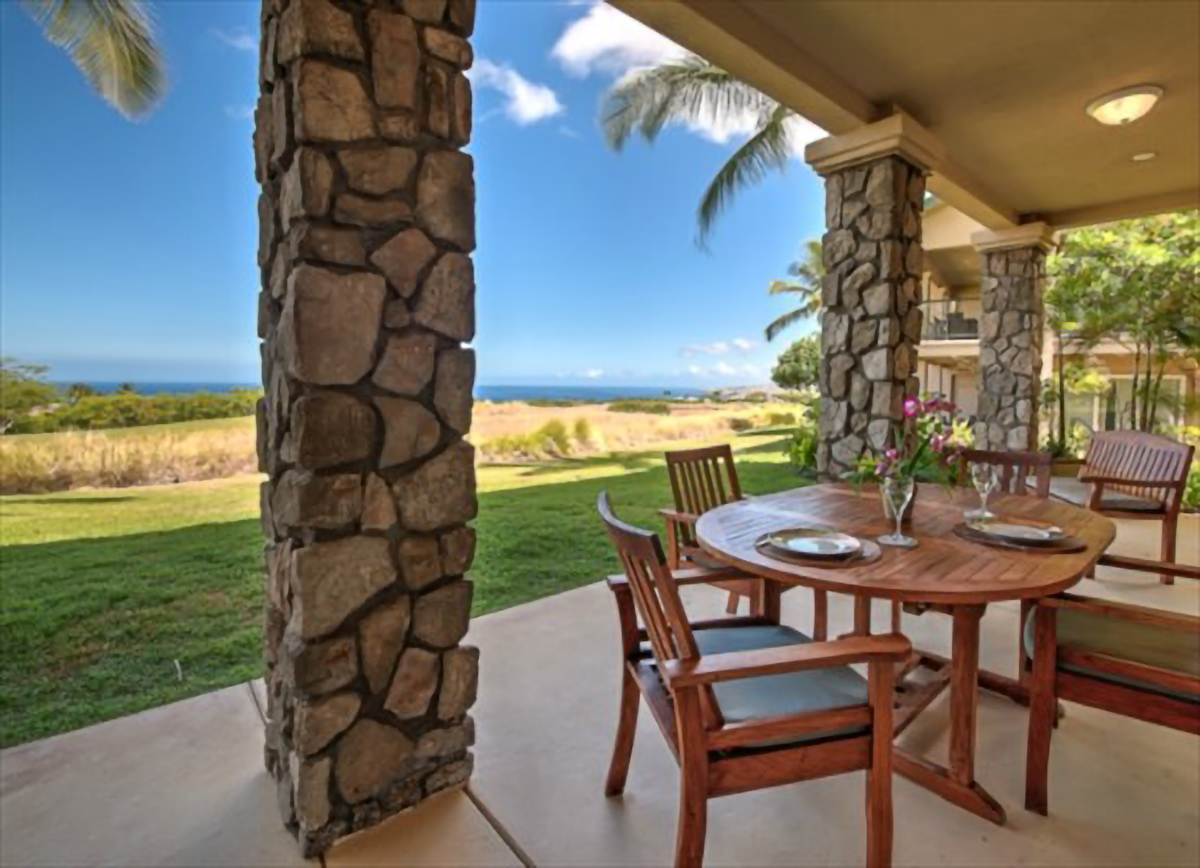
Can a Big Island vacation rental actually pay for itself in 2026? Sometimes, on some properties, and rarely in the first years of a mortgage. The honest answer depends on the financing, the zoning, the taxes, the management, and the income the unit can realistically produce. The order matters. Costs come first, then income, then the assumptions that could flip the whole answer.
The costs that come first
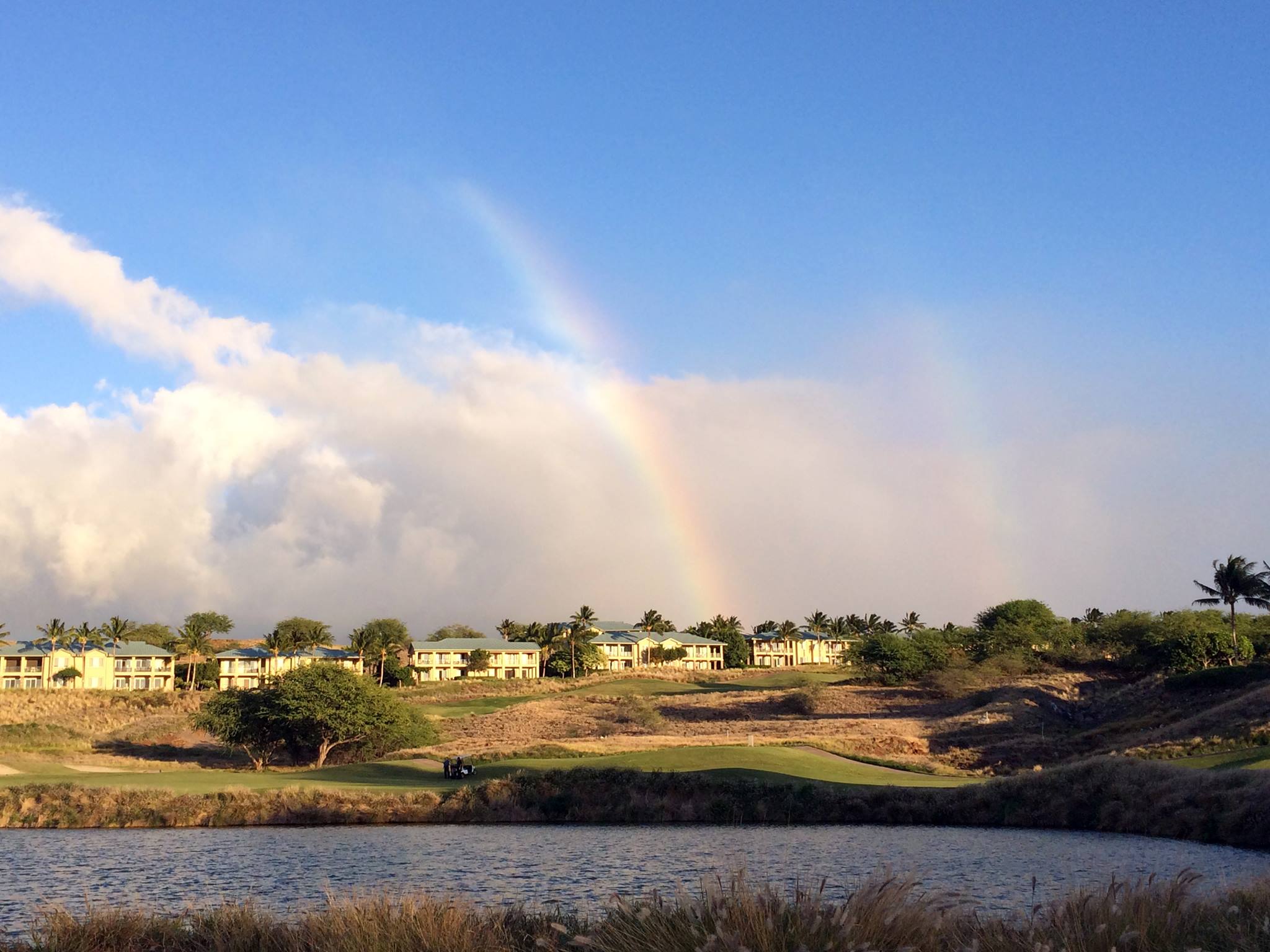
Start with debt service. A $750,000 loan on a $1.25 million purchase runs roughly $3,500 to $4,000 a month, before any operating costs. Then property taxes at investment rates: roughly $11.10 to $11.55 per $1,000 of assessed value, often $4,000 to $10,000 or more a year, and the homeowner exemption is lost on a rental. On the Kona and Kohala coasts, low-rise resort communities made up of 2- and 3-story buildings on larger tracts of land carry HOA and resort fees that commonly run $800 to $2,000 a month. Insurance, maintenance and an operating reserve sit on top of all of it.
Taxes on rental income add up
Hawaiʻi taxes short-term rentals from several directions at once: the general excise tax plus a county surcharge, the state transient accommodations tax and the county TAT combine to near 18 percent or more of gross rental revenue. Owners must register with the state, and that registration is a real step in the process, not a formality.
Zoning and legal risk
Whether a property can rent at all depends on its zoning, its permits and county rules. County registration is required in 2026, with annual fees attached. On top of that, HOA restrictions matter: many communities prohibit short-term rentals entirely, and the restriction can sit in documents you will not see until you are under contract. Verify before you buy, not after.
Management is a real cost
Professional management runs 25 to 35 percent of gross revenue for a short-term rental. It buys guest communication, turnover, cleaning coordination and local response. Self-managing maximizes cash flow, and it requires local support: someone who can reach the property when a guest locks themselves out at 9 p.m. on a holiday weekend.
What the income actually looks like
Typical nightly rates, or ADRs, on the Kona and Kohala coasts run $350 to $620 and up. Island-wide occupancy runs 50 to 65 percent annually, higher at the prime resorts in peak season, roughly mid-November through mid-April, and slower in late spring and from September to early November. The calendar is lumpy, and the income follows it.
A realistic worked example
Take a condo in a Kohala Coast resort community, one of the low-rise complexes of 2- and 3-story buildings set on a larger tract of land. Fixed costs, including debt service on a financed purchase, run around $82,000 to $87,000 a year. Gross revenue at typical ADRs and occupancy runs $100,000 to $120,000. That leaves roughly $13,000 to $38,000 before management and taxes. Management at 25 to 35 percent of gross, plus taxes near 18 percent, can consume most or all of that gap.
The reality check
Financed properties often run a cash-flow deficit at first. Cash buyers more often break even or run modestly positive, and the asset may still gain value over time. That is a defensible plan, buying an appreciating asset that offsets its carrying costs. It is not guaranteed passive income, and anyone who presents it that way is not doing you a favor.
If you are weighing the numbers on a specific property, I will help you run a pro forma and sit down with the licensed CPA, attorney and property manager you need to verify zoning, permits and taxes before you commit. Send me the address through the site contact form, or call me directly, and we will work through it together.
With aloha,
Carol Porter
REALTOR® · RS-87584 · HI · Better Homes and Gardens Real Estate Island Lifestyle
Next step
Questions about your own search?
Every situation is different, and the details change the answer. Tell me what you’re considering and I’ll give you an honest read.