
Visitors to Hawaiʻi Island
Motorcycling on Hawaiʻi Island
Renting a Bike, Bringing Your Own, and Making Riding Part of Island Life
 By Carol Porter, Realtor® · June 29, 2026
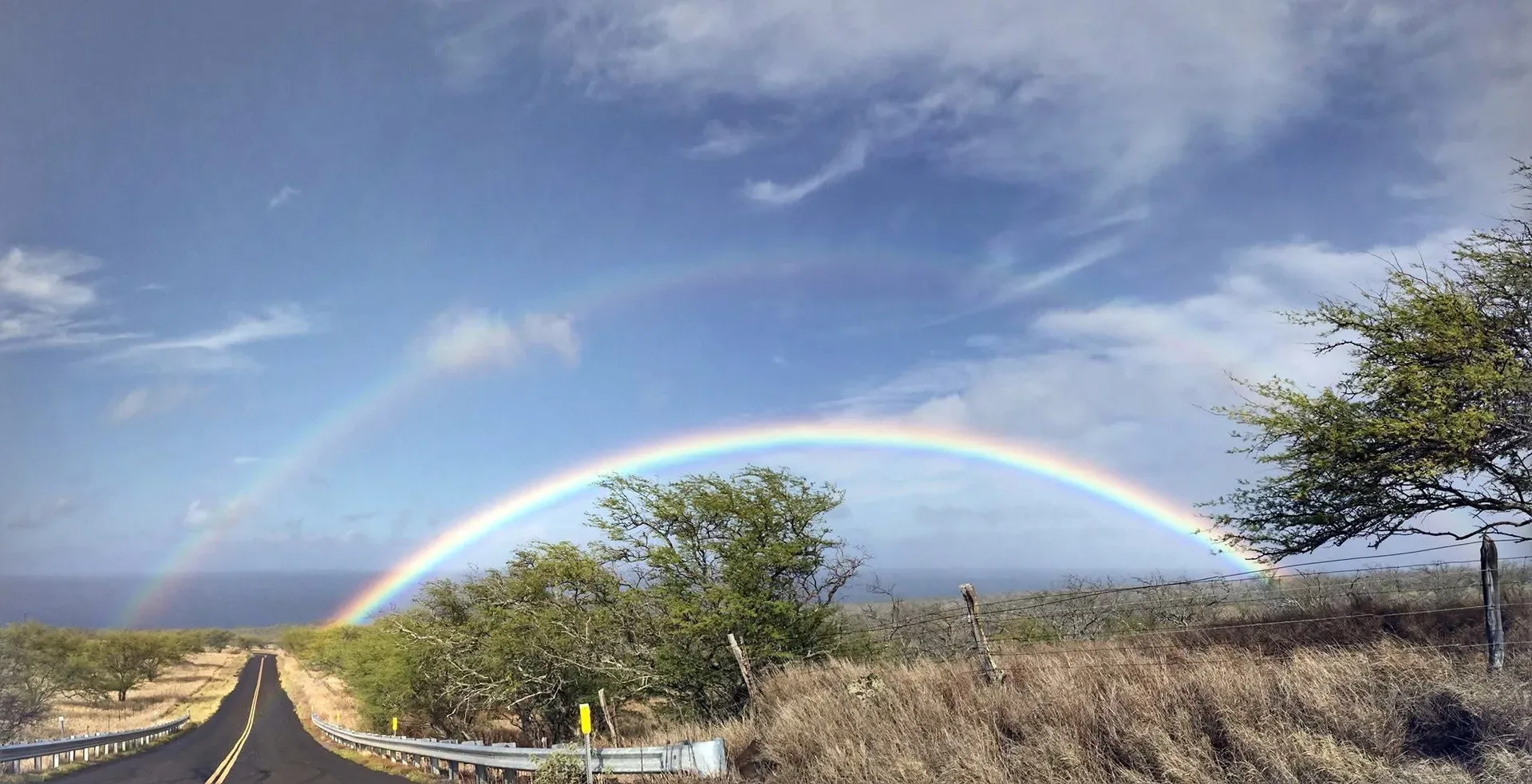
One evening at Seafood Bar in Kawaihae, I found myself among a restaurant full of motorcyclists who had been cruising around Hawaiʻi Island. In conversation, I learned that they belonged to a mainland motorcycle club and made the trip every year. They told me they shipped their bikes together in one container, then flew over for several days of riding.
I no longer remember where their club was based, but the idea stayed with me: bring the motorcycle you enjoy riding, gather with friends, and explore the island together.
More recently, a client told me about his plans to move here with his Harley. He expects to use it for trips around the island while he and his wife use a golf cart for shopping and local activities within the resort.
These conversations reminded me that the way you enjoy spending your time belongs in your plans for Hawaiʻi Island, whether you are visiting for a week or looking for a home. For someone who rides, the roads and landscapes can be part of that decision.
Renting a motorcycle for your visit
Renting locally lets you spend part of a visit riding without arranging ocean freight or coordinating your flights with a shipment.
Big Island Motorcycle Company at Kings’ Shops in Waikoloa Beach Resort is one option to investigate, particularly if you are staying along the Kohala Coast. Contact the operator directly about its current motorcycles and rental terms.
Before reserving, ask about license and age requirements, insurance coverage and deductibles, passenger rules, available protective gear, and restrictions on roads or destinations. Confirm pickup and return arrangements, including whether an overnight rental is permitted if you are planning a longer outing.
Choose a motorcycle you can comfortably handle. Unfamiliar roads, changing weather, and a different bike are plenty to manage without also stepping beyond your riding experience.
Five areas to consider for a ride
Hawaiʻi Island offers striking changes of scenery: dry coastal lava fields, green ranch country, coffee-growing slopes, and the wetter landscapes of the east side. Those changes also mean that a warm, clear departure does not guarantee the same conditions farther along your route.
The areas below are starting points for planning, rather than a single itinerary. Choose a manageable portion of the island, leave time for stops, and check the route against the forecast and your rental agreement.
Kohala Coast and North Kohala
From the Kohala Coast, Akoni Pule Highway (Highway 270) leads through Kawaihae toward Hāwī and Kapaʻau. The open coastal landscape gradually gives way to greener surroundings and the small towns of northern Kohala.
This is a ride you can build around a meal, a walk through town, or a few stops to enjoy the views. On exposed stretches, pay particular attention to wind conditions. Choose established parking areas for stops rather than assuming a roadside shoulder is suitable.
Waimea and the upcountry roads
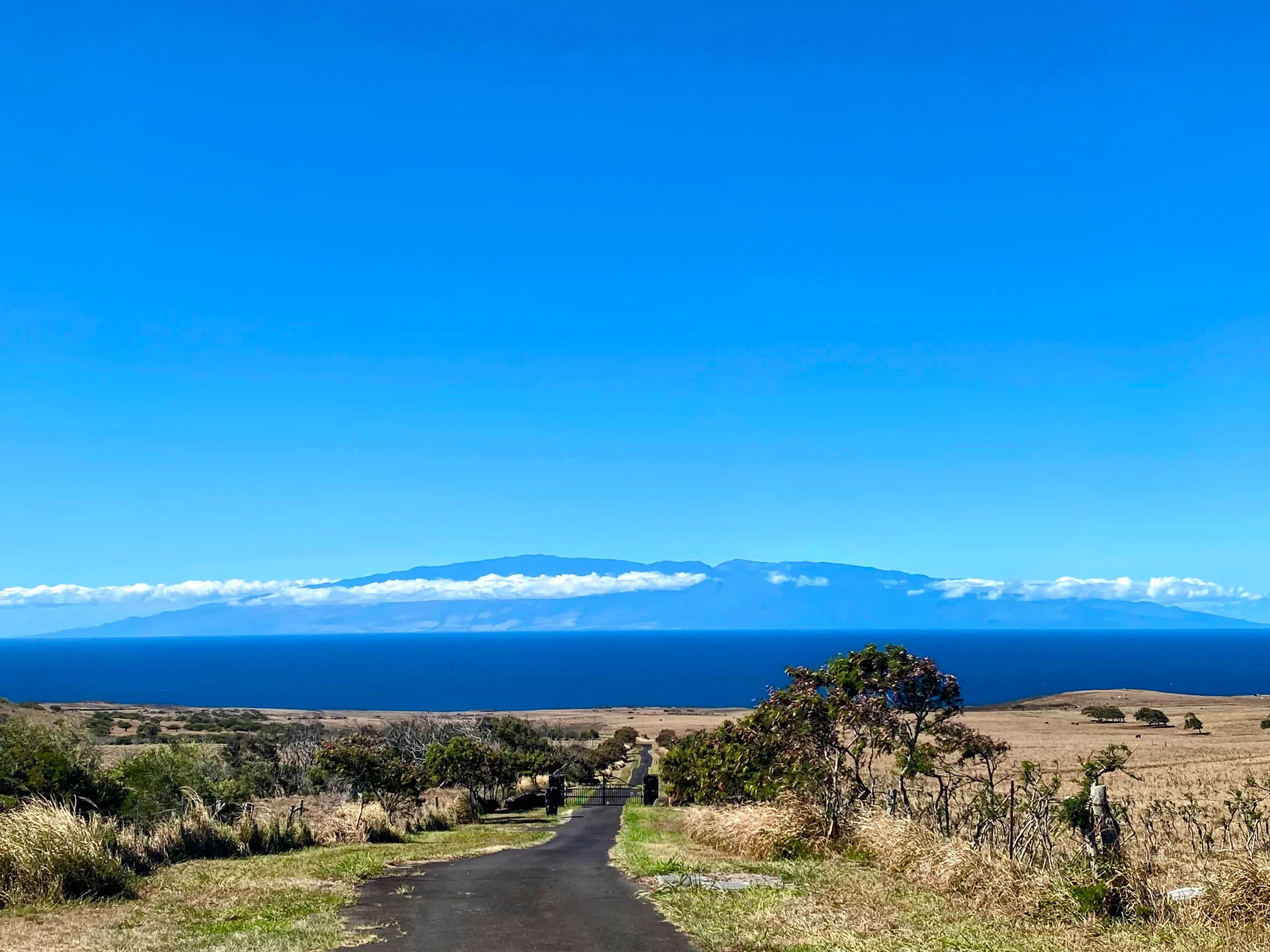
Kohala Mountain Road (Highway 250), between Hāwī and Waimea, takes you into rolling pastureland above the coast. It offers a different perspective on North Kohala, with ranch country and broad “top of the world” views when the weather is clear.
Waimea can be a destination in its own right, with places to eat and an opportunity to explore the town. From the coast, Kawaihae Road provides another approach to this cooler, higher-elevation setting.
Allow for wind, rain, fog, and changes in temperature. Check conditions along the mountain road itself, not just at your hotel or home.
Hāmākua Coast, Honokaʻa, and Waipiʻo Valley
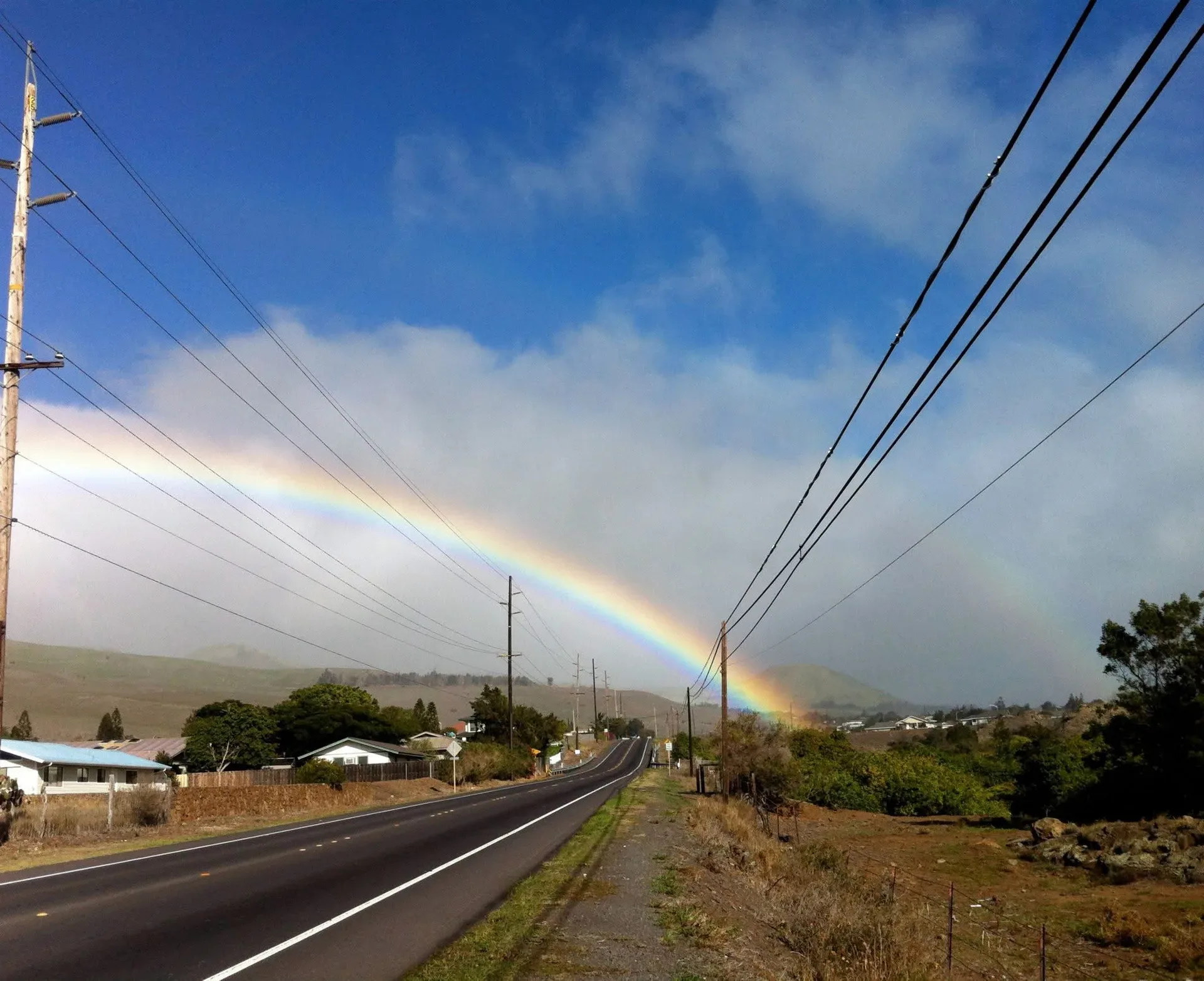
Highway 19 along the Hāmākua Coast connects ocean views, gulches, and former plantation communities. Honokaʻa makes a worthwhile stop for a meal and a walk through its historic town center. From town, Highway 240 continues through Kukuihaele to the Waipiʻo Valley Lookout, where steep green cliffs frame the valley and its black-sand shoreline.
For a motorcycle outing, make the lookout your destination—not the road down into the valley. Waipiʻo Valley Road is subject to county access restrictions that prohibit motorcycles and pedestrian access. Check the County of Hawaiʻi’s Waipiʻo Valley Road rules before your visit, and respect the valley's residents, agricultural lands, and cultural significance.
Farther toward Hilo, the Onomea Scenic Drive offers a short detour onto a narrower section of Old Māmalahoa Highway. The Hawaiʻi Tropical Botanical Garden provides directions to the scenic route near Onomea Bay. Allow time for local traffic, narrow bridges, and any stops you would like to make.
Honokaʻa, the Waipiʻo lookout, and Onomea can each add interest to a ride, but you need not include them all. Choose the stops that suit your starting point and the time you want to spend exploring.
Hilo, Puna, and Volcano
Hilo, Puna, and Volcano deserve time of their own. They should not be treated as a quick addition to a ride that has already covered North Kohala and the Hāmākua Coast.
In Puna, the coastal stretches of Route 137, often called the Red Road, offer a different setting from the resort coast. Confirm the specific roads you intend to use and current access before setting out; an older map or itinerary may not reflect later lava flows or road changes.
Volcano Village and Hawaiʻi Volcanoes National Park bring cooler elevations and forest landscapes into the picture. For a park visit, check the National Park Service’s alerts and conditions for road access, closures, and volcanic conditions before leaving.
From Volcano through Kaʻū to Kona coffee country
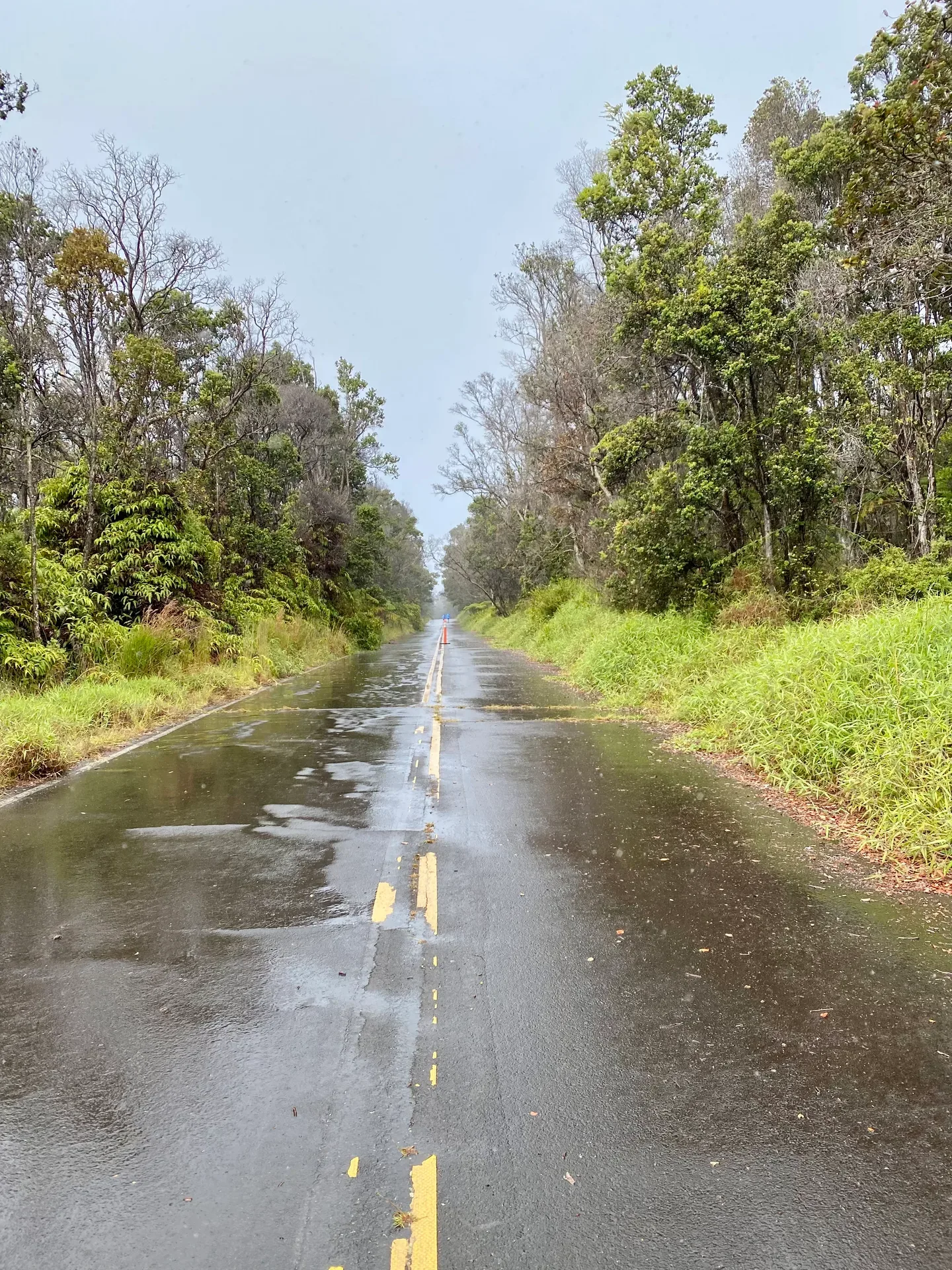
Continuing from Volcano on Highway 11, the road descends into Kaʻū, passing Pāhala before reaching Nāʻālehu. Forest gives way to a changing landscape of pasture, agricultural land, and lava fields, with opportunities to stop in the district's small communities along the way.
Beyond Nāʻālehu, Highway 11 continues through Ocean View and into South Kona. Around Captain Cook, coffee farms and small-town stops give you reasons to pause. If a farm visit interests you, confirm its hours and visitor arrangements before making it part of your day.
Farther north, Old Māmalahoa Highway (Route 180) takes you through Hōlualoa, where galleries and coffee-country surroundings offer another reason to park and explore on foot. Allow for curves, driveways, intersections, and local traffic rather than treating this stretch simply as the final miles back to Kona.
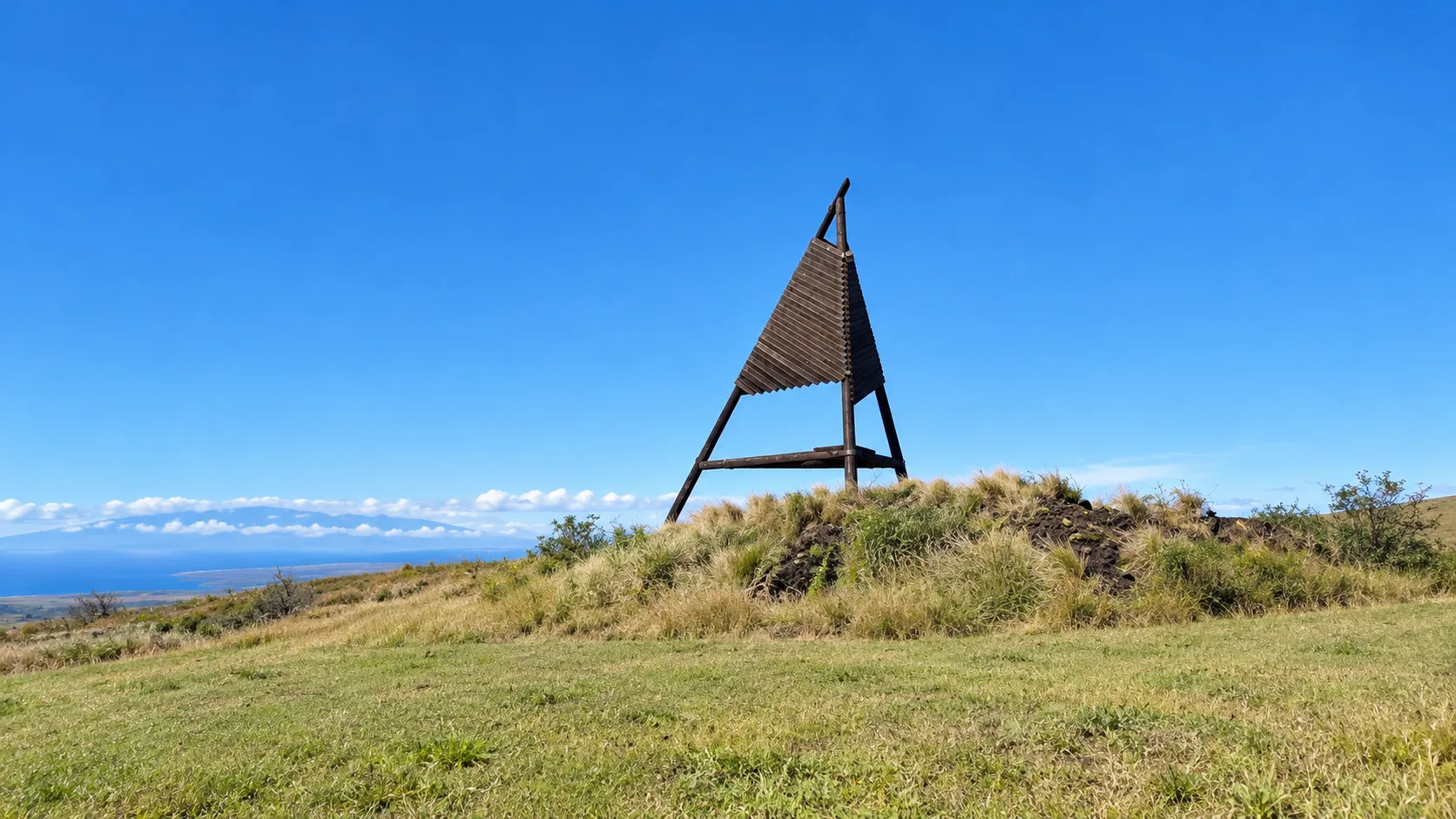
Continuing north from Hōlualoa, join Māmalahoa Highway (Highway 190), the upper road toward Waimea. At the Waikoloa Road junction, the Waikoloa Sail marks your turn left toward the coast. Descend past Waikoloa Village to Queen Kaʻahumanu Highway, then turn right toward Kawaihae, back to the waterfront community where my conversation with the visiting motorcycle club began.
The full journey from Volcano through Kaʻū and into Kona covers a substantial part of the island. Leave time for meals, fuel, and the places you want to visit. If you are continuing to the Kohala Coast, include that final leg in your daylight and weather planning.
Plan for the whole ride
The practical questions matter as much as the scenery:
- Weather: Check forecasts for the places you will ride through, including higher elevations. The National Weather Service’s Hawaiʻi forecasts and alerts are a useful starting point.
- Gear: Wear a properly fitted motorcycle helmet and suitable protective clothing, gloves, and footwear. Carry rain protection and layers appropriate to the route, and prepare for changing visibility.
- Fuel and daylight: Identify fuel stops before longer stretches, allow for delays, and leave enough daylight for your return.
- Road access: Check current conditions and rental restrictions. Do not assume that a scenic road, valley route, or mountain destination is open or permitted because it appears in an older guide.
- Stops and neighbors: Park in suitable areas, respect private property and cultural sites, and keep speed and noise considerate through residential communities.
You do not need to circle the island to have a worthwhile day. A shorter ride with time for lunch and a few stops may suit your visit better.
Shipping your own motorcycle to Hawaiʻi Island
The club members I met had arranged to ship their motorcycles together. That was their particular arrangement; I do not have a carrier or shared-container package to recommend from that conversation.
For riders researching their own shipment, Pasha Hawaii advertises mainland–Hawaiʻi motorcycle transport, including Hilo service. Its motorcycle quote page also describes round-trip shipping options. Ask for current terms and a written quote for your motorcycle and route.
Confirm the mainland and island terminals, preparation and documentation requirements, whether a shipping skid or crate is required, and pickup arrangements. Ask about damage coverage, storage charges, and the return shipment. Allow time between the motorcycle's arrival and your planned riding days.
For a group, ask specifically about moving several motorcycles together. Compare the complete round-trip cost and logistics with local rentals; do not assume a shared container is available or will cost less.
Keeping a motorcycle at your island home
If riding will be part of living here or spending extended visits, mention it early in your property search.
Look for secure, covered parking, a driveway you are comfortable negotiating, room for riding gear, and any association rules affecting parking, storage, or maintenance. If the property will sit empty between visits, think about who will check on the motorcycle and arrange its care.
Consider everyday transportation as well. Groceries, luggage, passengers, and wet weather may make access to a car useful even if a motorcycle is your preferred way to get around.
A golf cart raises a separate set of questions. Confirm the particular resort's and association's rules, permitted roads and paths, and parking and storage arrangements before assuming it will handle your local trips.
A home should support the way you want to spend your time here. If that includes riding, tell me about it so we can consider those practical details alongside the home, community, and location.
Related reading
- Waimea (Kamuela): Paniolo Country, Pastures, Life Below Mauna Kea, the area guide to the upcountry hub and its surrounding roads.
- The Kohala Coast: Beaches, Resorts, and Communities, the stretch of coast most visiting riders use as their base.
- Waikoloa Beach Resort, home to Kings’ Shops and the motorcycle rental shop.
With aloha,
Carol Porter
REALTOR® · RS-87584 · HI · Better Homes and Gardens Real Estate Island Lifestyle
Next step
Questions about your own search?
Every situation is different, and the details change the answer. Tell me what you’re considering and I’ll give you an honest read.