
Lifestyle on the Kohala Coast · Community guide
Waimea: the upcountry hub for the coast
Waimea is the town that serves the Kohala Coast, and the trading runs both ways: the coast gives Waimea its sunshine and its beach days, and Waimea gives the coast its shopping, services, schools, and medical care. It is a green, cool, working ranch town above 2,500 feet, the heart of the island’s paniolo heritage, and for anyone living on the coast it is the place you go when you need something.
01 · Location and character
Location and character
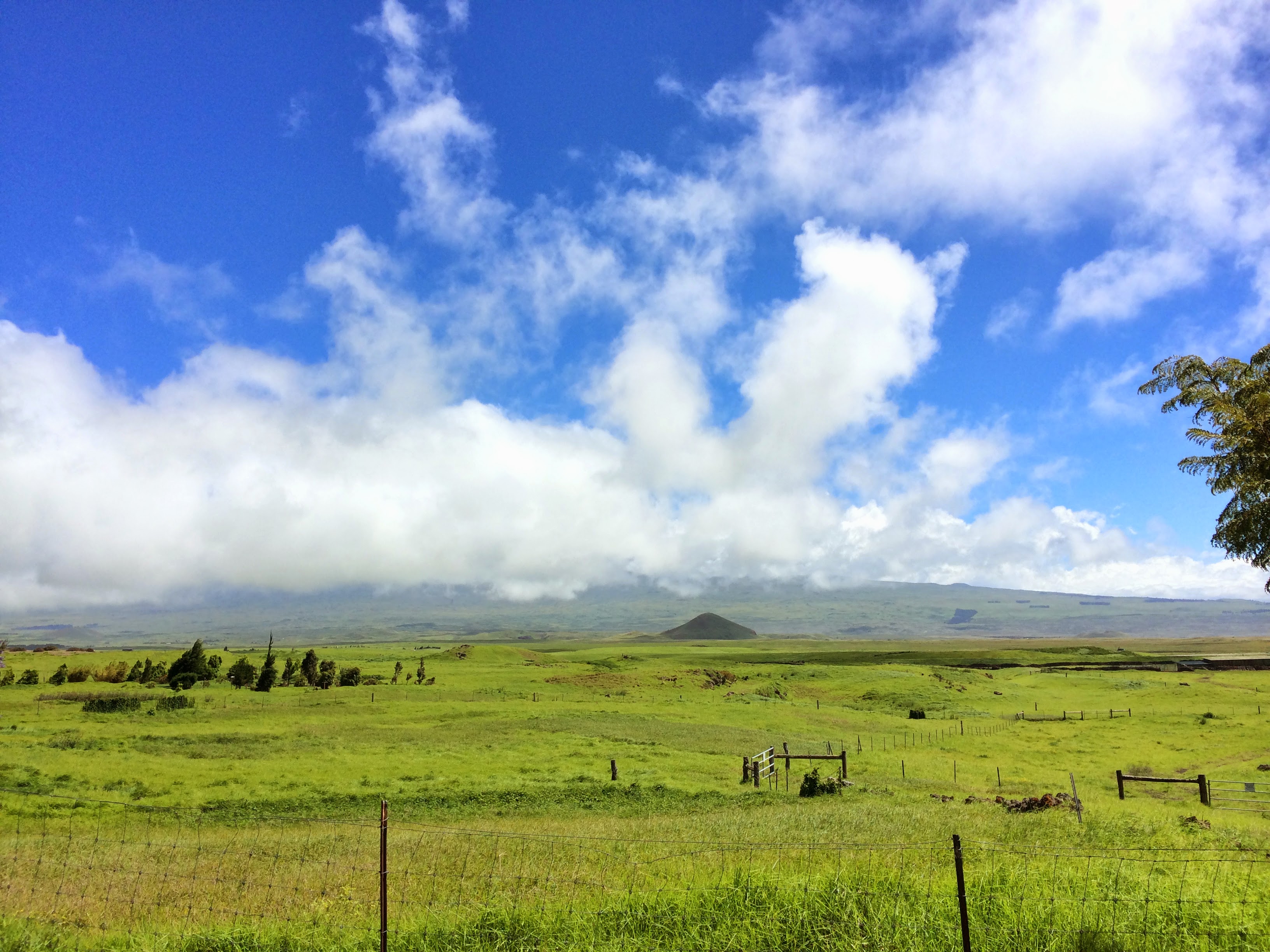
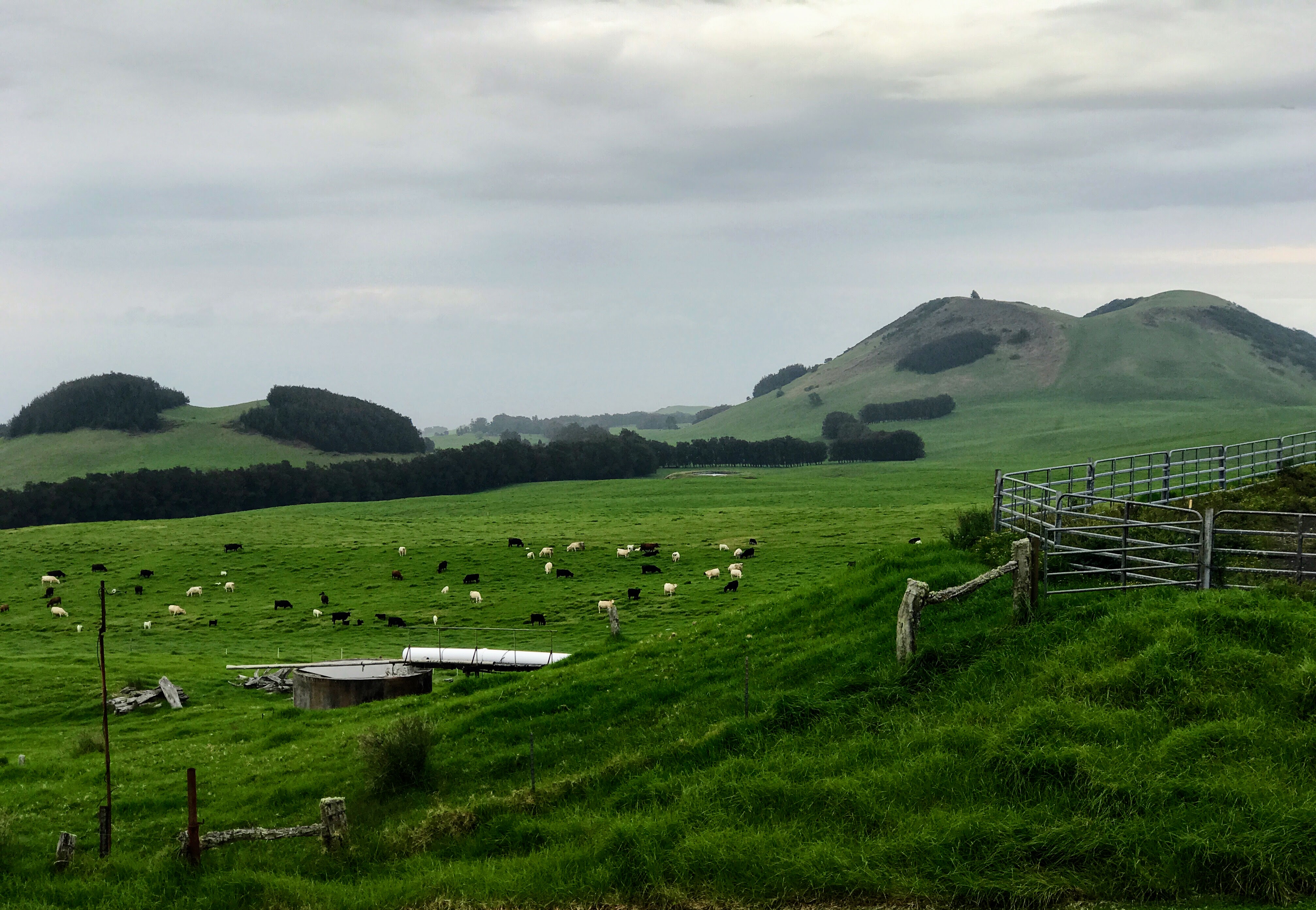
Waimea sits inland above the coast, mailed as Kamuela, on the slopes where Kohala and Mauna Kea meet. It is ranch country: Parker Ranch, founded in 1847 and one of the largest and oldest privately owned cattle ranches in the United States, surrounds the town and shapes everything about it.
The town has two sides, and the difference matters block by block. The eastern side, facing Hilo, is cooler, greener, and wetter, with frequent rain, mist, and fog. The western side, facing the coast, is drier and sunnier. Residents on either side will cheerfully tell you theirs is the right side.
02 · Lifestyle and amenities
Lifestyle and amenities
This is where the coast’s daily life actually happens. Queen’s North Hawaiʻi Community Hospital anchors medical care, with its emergency department and inpatient care, and clinics and medical offices complete the picture. Grocery and daily-shopping needs are met by local markets and shops rather than big-box retail, and the Saturday farmers’ markets, at Pukalani Stables and Parker School, anchor the local food week.
Schools are a real strength: Hawaiʻi Preparatory Academy and Parker School, both private K-12 schools, sit in town, alongside the public schools. Dining runs from plate lunch to destination restaurants, and the culture is genuine, from the Paniolo Heritage Center to the deep horse-and-ranch history that names the streets.
03 · What living there is like
What living there is like
Living in Waimea means living with the weather: cool mornings, fog and mist on the wet side, rain that keeps everything green, and a real seasonal rhythm the coast never has. It means ranch life, wind, and a community with deep roots and clear opinions. Full-time residents tend to love it for the schools, the community, and the genuine small-town life it provides.
The trade-off is honest and simple: you are not on the coast. The beach is a 20-minute drive down the highway, the sun is not guaranteed, and the coast’s resort life is an outing rather than a backdrop. The two places serve each other, and most coast residents are grateful Waimea is where it is.
04 · Who it fits, and who it doesn’t
Who it fits, and who it doesn’t
Waimea fits people who want a real town with four-season character, and it asks them to give up the daily beach.
Who it fits
- Families who want strong schools in a genuine community
- Full-time residents drawn by cool, green, working-town life
- People who want medical care and services close at hand
- Horse and ranch people who want the paniolo life at the center
Who it doesn’t
- People who want daily beach life and dependable hot sun
- Buyers who want resort communities or coastal resort amenities
- Anyone who dislikes fog, rain, wind, or cooler temperatures
- Those who want the beach and golf inside their daily routine
05 · Practical realities
Practical realities
Waimea sits in Lava Zone 8, among the island’s lowest hazard designations, and most of it is fee-simple land on the grid. The town is not a gated community; it is a working town with all that implies, from ranch traffic to real schools. Wet-side homes carry the moisture realities of the climate, from mildew vigilance to rain-driven landscaping, and dry-side homes face the wind and fire risk of grass country, as the August 2023 brush fires, which touched the district, made clear.
- Lava Zone 8, among the island’s lowest hazard designations
- Fee-simple land, on the grid, a working town not a gated one
- Hospital, clinics, markets, schools, and real dining in town
- Above 2,500 feet, the wet side and dry side differ block by block
- 20 minutes down the highway to the coast and its beaches
- Moisture on the wet side, wind and grass fire risk on the dry side
The climate split between wet side and dry side is the most important practical detail in Waimea, and it changes what a property costs to maintain. I’ll show you both sides and let you feel the difference before you decide.
06 · Related reading and nearby guides
Related reading and nearby guides
More living guides
Questions about this community?
With aloha,
Carol