
Lifestyle on the Kohala Coast · Relocation essentials
Relocation essentials
for the Kohala Coast.
Moving to the Kohala Coast from somewhere else, usually from the mainland, takes more planning than a normal move. This page collects the parts of that move that matter most — based on actual experiences — and attempts to tell you details that no listing will.
01 · Climate and microclimates
The coast is dry, sunny, and warm.
The island is not one climate.
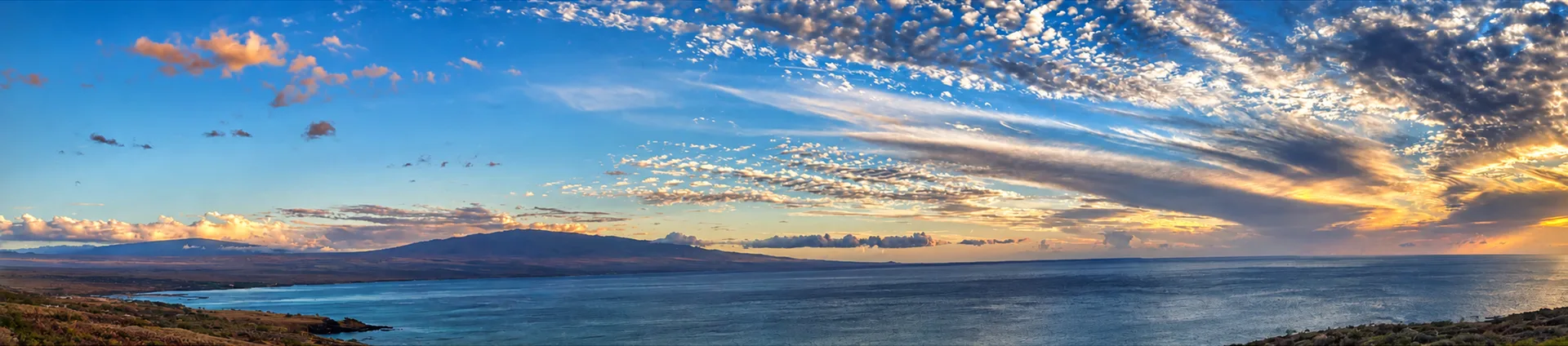
The Kohala Coast is one of the sunniest, driest parts of Hawaiʻi, with warm days, dependable trade breezes, and very little rain. That is the baseline, and it is the reason the resorts and communities here are where they are.
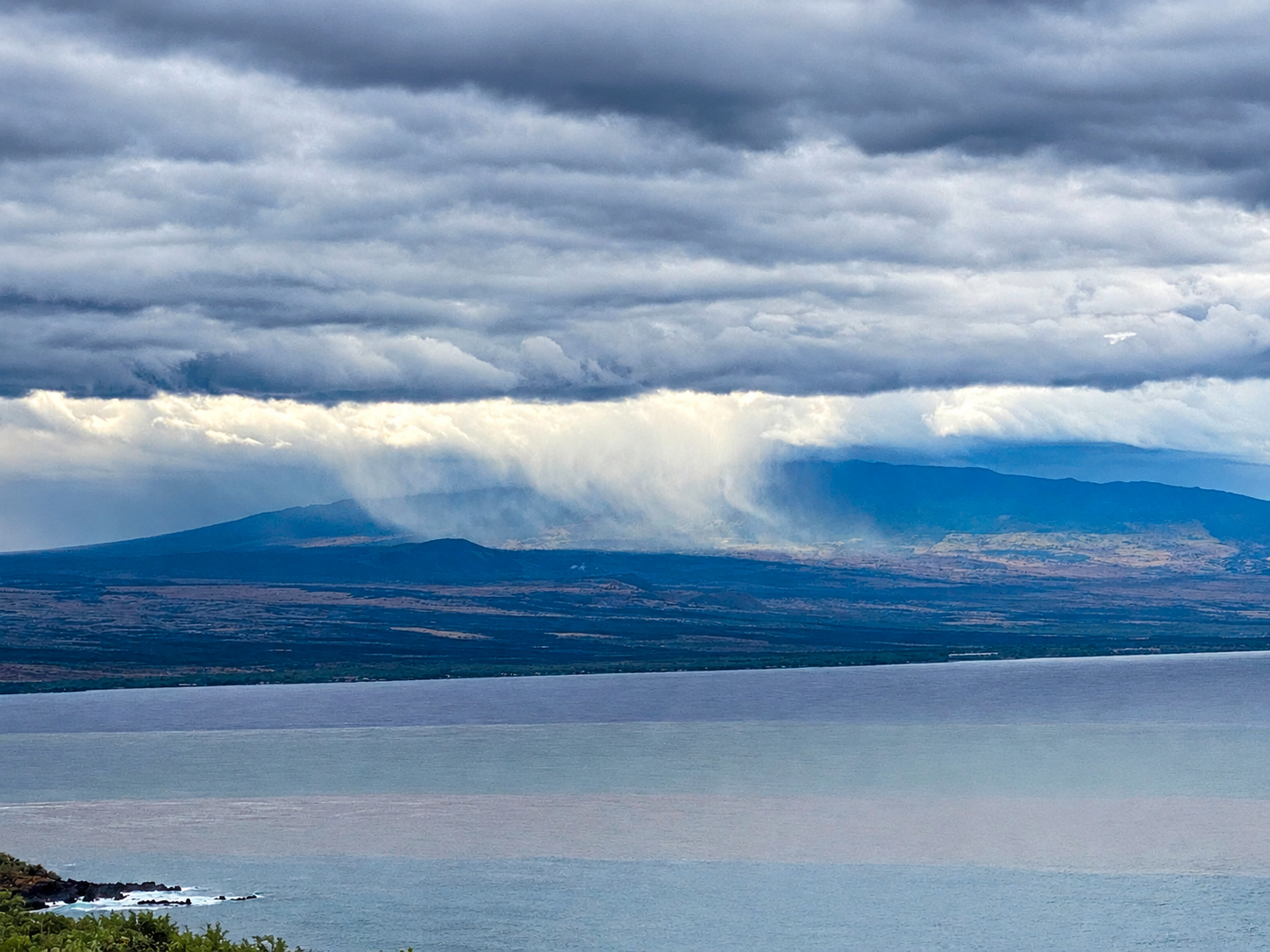
The larger lesson is the island’s microclimates. Hawaiʻi Island holds 10 of the world’s 14 climate zones, under the Köppen climate classification system. Rainforest, dry savanna, cool upland, and winter snow on Mauna Kea all exist within an hour of the coast. Where you live, at what elevation, on which side of a mountain, decides your weather more than any island average does.
What the climate decides
- Upkeep: salt air and sun age finishes faster near the water; rain drives mold vigilance inland.
- Solar: the dry side has genuinely strong solar potential, which is why so many coast homes run on it.
- Comfort: elevation buys cooler nights fast, from Waikoloa Village up to Waimea.
The journal post on climate zones walks through all ten, wet side and dry side, and what each means for a buyer.
02 · Getting here and getting around
One airport, a few good roads, and plenty of island time.
Kona International Airport, KOA, is the coast’s airport, about 20 to 30 minutes from the resort communities. It is the first thing to know about any trip here: flights land on this side, and the drive from the airport to your door is short.
Highway 19, Queen Kaʻahumanu Highway, runs the length of the coast on the shoreline route. Highway 190, the upland Māmalahoa route, climbs through Waimea. Highway 270, Akoni Pule Highway, turns up into North Kohala past Kawaihae. The Belt Road wraps the island, so Hilo is a matter of hours the scenic way.
Driving is the way of life here
- Most errands are a drive, and that is normal, not a compromise
- Rush hour is real on segments of Highway 19, briefly
- To Hilo, plan two to three hours on the Belt Road
- KOA is 20 to 30 minutes from the coast communities
03 · Healthcare
Waimea is the medical hub for the coast.
Queen’s North Hawaiʻi Community Hospital in Waimea anchors medical care for the whole coastline, with its emergency department and inpatient care, and clinics and medical offices complete the picture in town. Waikoloa Village adds medical and dental offices closer to the coast’s middle.
For routine care, most coast residents build a relationship with providers in Waimea or Kailua-Kona. For the most complex care, Honolulu is a flight away, and that is simply the reality of living on a remote island.
The practical advice I give every relocating client: establish care early. Provider availability can be limited, and a primary care relationship in place before you need it is worth real effort.
04 · Daily life
Groceries, shopping, and the two towns that make it work.
Daily needs are served by two towns. Waikoloa Village, the residential town above the coast’s middle, holds the supermarket, gas, post office, bank services, and medical and dental offices. Waimea, upcountry, is the full-service hub: groceries, shops, hardware, dining, and the farmers’ markets that anchor the local food week.
The coast itself is deliberately short on daily conveniences, which is part of why people move here and part of the adjustment. You learn to plan errands around trips, and most residents find the trade easy to live with and worth every sunset.
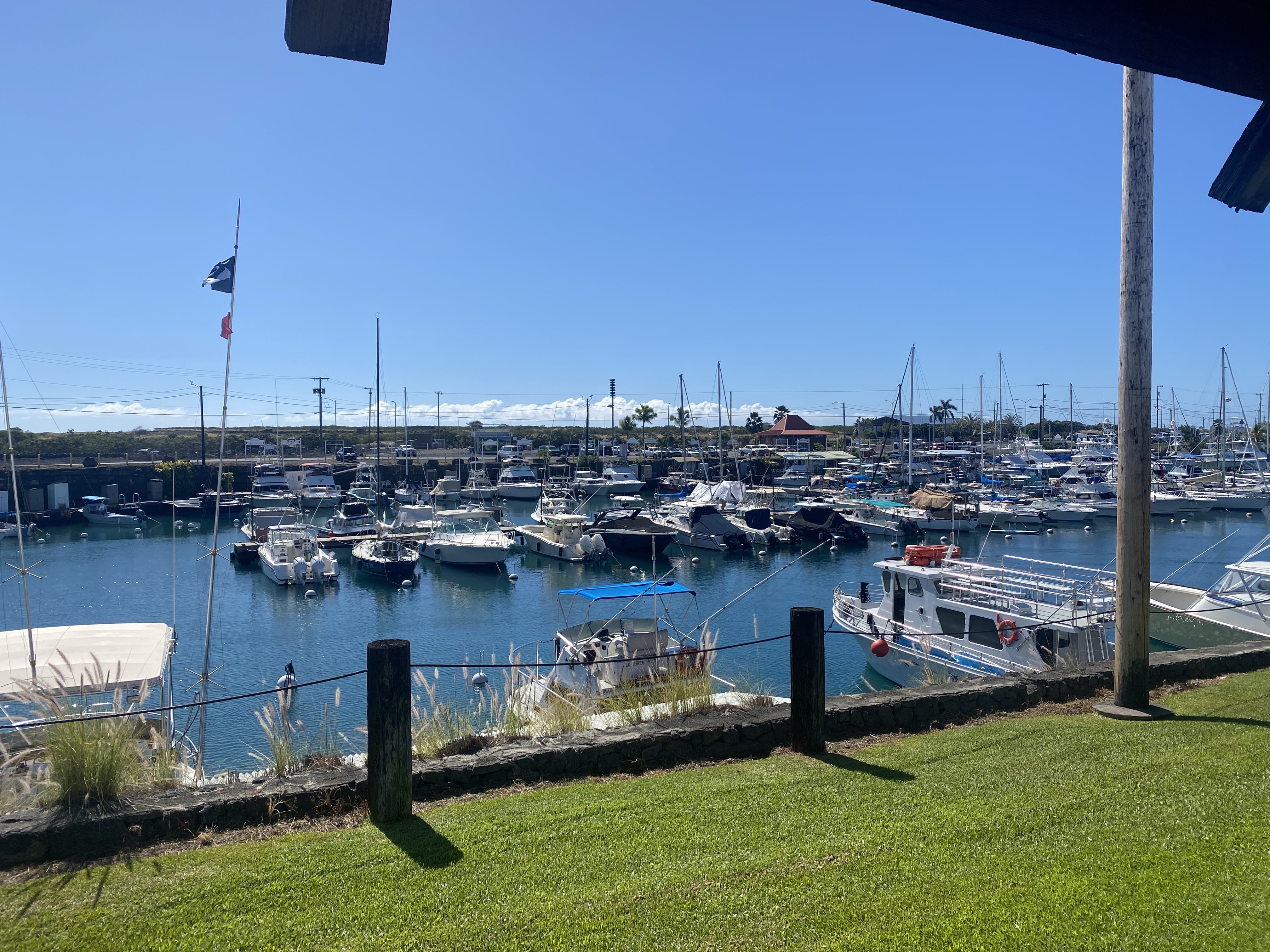
For fresh fish, the Kawaihae Market is a local standby, and the Kawaihae Harbor area offers dining and limited retail alongside a gas station and mini-mart. Along the coast itself, gas stations are scarce, so it pays to know where they are before you head out.
Island supply chains mean some mainland favorites are seasonal or simply absent, and local is often better anyway. Shipping adds time and cost to everything, which is the most repeated adjustment new residents name.
05 · Utilities and infrastructure
On the grid, with solar, and roads that are mostly paved.
Power on the coast comes through the island grid, and many homes add solar, which this sunny shoreline rewards. Water varies by community: county systems serve some areas, private systems serve others, and you should always confirm the source for a specific property. Catchment, collecting rain into tanks, is rare on the dry coast and belongs to wetter districts; it is not the default here.
Internet and cell service reach the resort communities well, with fiber and cable in the established areas, and coverage thinning as you go more rural, so verify service at the specific address if you work from home.
Roads on the coast and in the established communities are paved and maintained. The unpaved-road reality belongs to other districts, like Hawaiian Ocean View Estates in Kaʻū, where a road maintenance corporation keeps roughly 157 miles of mostly unpaved roadway. That is a different world from this coast, and the difference is worth understanding before you compare districts.
06 · Schools
Small schools, local character, and choices to make.
Waikoloa Elementary and Middle School serves children on the coast through grade eight. Beyond that, families typically look to schools in Kailua-Kona or Waimea, including Hawaiʻi Preparatory Academy and Parker School, the two private K-12 schools upcountry.
School choice shapes where many families choose to live, and it deserves the same research as the house. If you are relocating with children, I will help you map the schools to the communities in this section, because the answer changes with each child’s age.
07 · Taxes, insurance, and lava zones
The true cost of ownership is insurance and upkeep.
Property tax rates on the island are set by the county and they change, and I will give you current, exact figures for any property you ask about. The larger point is the one most new buyers under-plan: real estate here is sold on views and sunsets and maintained with insurance, utilities, landscaping, and road or association fees. Run those numbers before you fall for the property, not after.
Insurance matters enormously and varies with location. The coast’s lava hazard designations are low relative to most of the island, which supports financing and insurance. The high-hazard districts, Puna and Kaʻū, are where those questions get hard, and my journal posts on buying in those districts tell that story honestly.
- Kohala Coast communities sit in the island’s low hazard designations
- Wind, hurricane, and flood insurance are real line items to budget
- I will give you current tax figures for any specific property
- Puna and Kaʻū carry the island’s highest hazard designations
08 · Building, permits, and the truth about off-grid
This coast is permitted, mostly on the grid,
and many homes run solar.
On the Kohala Coast, homes are permitted, almost all are on the grid, and many have solar panels. There are a few areas in North Kohala where homes are built on multi-acre plots entirely off-grid, even without water. Those lots are expensive along with costs of drilling a well and creating water storage, and they do appeal to buyers. But overall, this coastline features permitted homes with water and power, to which many add solar power. For internet access, StarLink is proving to be a valuable service, although cable and fiber optics connections are widely available.
09 · Straight talk
What outsiders rarely know before they move.
The distance is real, and it is daily.
These are remote islands, more than 2,000 miles from the mainland, and the distance from friends and family is a daily fact, not a vacation fact. Plan for it deliberately: regularly scheduled visits in both directions, a rhythm of travel, and the understanding that a quick flight home does not exist. Residents who thrive here build this into their lives from the start; residents who struggle may have skipped this step.
Island time applies to things, not just calendars.
Contractors, permits, appliances, and appointments all run on an island schedule. Build slack into every plan, from renovation timelines to moving dates, and you will be calmer than the people who did not. The pace of life is slower on purpose, and it is one of the reasons people stay.
Almost everything arrives by barge.
Goods cost more and take longer than mainland habits expect. Much of what this side of the island consumes lands at Kawaihae Harbor, where the working waterfront is part of the scenery. Order early, compare local options first, and treat expedited shipping as the exception it is here.
None of this should discourage you. It should prepare you. The coast remains home to the island’s most dependable sunshine, and the residents who plan for the logistics are the ones who end up happiest here.
10 · Where to go next
The roadmap, the climate post, and the right guides to start with.
Questions about your own move?
With aloha,
Carol